Cart (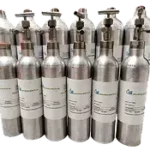
Overview
Butane is one of the most commonly encountered LPG components in industrial, commercial, and marine environments — present in LPG storage and distribution facilities, refinery processes, marine gas carrier cargo systems, bottled gas handling operations, and any site where liquefied petroleum gas is stored, transferred, or used as fuel. Like all flammable gases, butane becomes a serious explosion and fire hazard when it accumulates in enclosed or semi-enclosed spaces, and the combustible gas detectors installed or carried in these environments are the primary technical safeguard against undetected accumulation reaching dangerous concentrations. A detector that has not been calibrated against a certified butane-specific reference gas may not respond accurately to butane — and in an environment where the gas of concern is butane, a methane-calibrated instrument is not a reliable substitute.
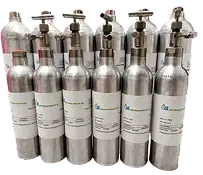
The 10%Vol Butane Balance Nitrogen (10% C4H10 Bal N2) span gas cylinder is a certified calibration gas mixture formulated specifically for use with combustible gas detectors requiring a butane-specific calibration reference. At 10% by volume, this mixture provides a high-range calibration point well above the butane LEL (approximately 1.8%Vol in air) — appropriate for instruments reading in %Vol C4H10 and for full-scale or upper-range span verification of detectors configured for butane detection in LPG handling, petrochemical, and marine cargo applications.
The key differentiator for procurement teams is the specificity of this mixture to butane as the target gas. Many portable and fixed combustible gas detectors are factory-calibrated on methane and then used in environments where butane or LPG is the actual hazard gas — introducing a systematic calibration offset that the instrument’s cross-sensitivity correction factor may not fully compensate for. Calibrating directly on a certified 10%Vol C4H10 Bal N2 reference gas eliminates that offset and provides a direct, gas-specific accuracy verification for the gas the detector will actually be used to detect.
Key Features
10% Volume Butane Concentration — Gas-Specific Calibration Reference
The 10%Vol C4H10 concentration provides a butane-specific calibration reference point at a concentration well above the butane LEL, within the range used for upper-range span verification of combustible gas detectors configured for butane or LPG detection. Calibrating directly on butane rather than applying a methane calibration with a cross-sensitivity correction factor produces a more accurate instrument response for butane-specific detection scenarios — and eliminates the uncertainty introduced by cross-sensitivity correction calculations that vary between instrument models and sensor ages. For sites where butane is the primary hazard gas, gas-specific calibration is the technically correct and auditably defensible standard.
Balance Gas: Nitrogen (N2) — Inert Carrier for IR and Select Sensor Types
Nitrogen is used as the balance gas in this mixture, making it suitable for infrared (IR) combustible gas sensors — which respond to the gas molecule’s infrared absorption characteristics and do not require oxygen as part of the detection mechanism. IR sensor-based fixed detectors are widely used in LPG storage, marine cargo, and petrochemical applications precisely because they are not subject to the catalytic bead sensor failure mode known as catalyst poisoning, and they perform reliably in oxygen-depleted or inert gas environments. For procurement teams specifying calibration gas for IR sensor instruments in butane or LPG detection applications, the CH10/N2 format is the correct choice. As with all CH/N2 calibration mixtures, verifying sensor technology compatibility before ordering is recommended.
Multiple Cylinder Sizes — 34L to 116L
This mixture is available in five cylinder sizes: 34L, 58L, 103L, 110L, and 116L — covering the complete range from a compact vessel on-board calibration supply to a high-volume centralised calibration station. For a single LPG storage facility maintaining a small number of fixed detectors and a portable instrument for maintenance inspections, the 34L or 58L cylinder provides a manageable supply that will be consumed well within the cylinder’s shelf life. For a refinery, a large LPG terminal, or a gas detection service company calibrating a significant instrument fleet on a regular schedule, the 103L to 116L sizes reduce cylinder changeover frequency and reorder overhead while reducing the per-calibration gas cost at scale.
Certified Concentration Accuracy with Certificate of Analysis
This mixture is prepared and supplied as a certified calibration gas with the actual C4H10 concentration verified against the declared 10%Vol specification before supply. A certificate of analysis is available with each cylinder, providing the traceable reference documentation required for calibration programme records, safety management system documentation, and regulatory audit support. For facilities operating under process safety management frameworks, permit-to-work systems requiring documented calibration, or maritime safety management systems, the availability of a CoA with each calibration gas cylinder is a standard procurement requirement — not an optional extra.
Compatible with Standard Span Gas Regulators
The cylinder valve is compatible with standard demand-flow and constant-flow span gas regulators used for portable and fixed gas detector calibration — no specialist fittings or adaptors required for most common instrument calibration setups. For teams sourcing 10%Vol C4H10 Bal N2 as part of a complete calibration kit order, the standard valve specification ensures compatibility with existing regulator stock and simplifies the procurement process.
Technical Specifications
Product: Span Gas — Calibration Gas Mixture
Category: Span Gas and Regulator
Gas Mixture: 10%Vol Butane (C4H10), Balance Nitrogen (N2)
Butane Concentration: 10% v/v (volume percent)
Balance Gas: Nitrogen (N2)
Cylinder Sizes (C10): 34L / 58L / 103L / 110L / 116L
Application: Butane / LPG combustible gas detector span calibration (%Vol C4H10; IR sensor type)
Compatible Instruments: Infrared (IR) combustible gas detectors and butane-specific instruments configured for C4H10/N2 calibration
Mixture Type: Binary (C4H10 / N2)
Benefits
Eliminates the accuracy compromise of methane-surrogate calibration for butane detection instruments. Many combustible gas detectors shipped from the factory are calibrated on methane as a universal reference gas, with the manufacturer providing a cross-sensitivity factor to convert methane-calibrated readings to an approximate butane equivalent. In practice, cross-sensitivity corrections vary with sensor age, environmental exposure history, and instrument model — and they introduce a layer of uncertainty that direct butane calibration does not. For sites where butane is the primary hazard gas, calibrating the instrument on certified 10%Vol C4H10 Bal N2 produces a direct, gas-specific accuracy verification with no conversion uncertainty.
Supports compliance with process safety and confined space entry calibration requirements. Facilities handling butane and LPG — refineries, storage terminals, marine gas cargo operations, and LPG distribution infrastructure — are typically subject to process safety management frameworks that require documented gas detector calibration against a certified reference gas as part of the permit-to-work and maintenance management system. Sourcing certified 10%Vol C4H10 Bal N2 with a certificate of analysis provides the reference gas and the documentary evidence required for a compliant, auditable calibration record.
Appropriate for IR sensor instruments operating in oxygen-depleted or inert gas environments. Fixed IR combustible gas detectors are frequently used in environments where oxygen concentration may be reduced — LPG storage areas under nitrogen padding, inerted cargo tanks on gas carriers, or enclosed process vessels. Because IR sensors do not require oxygen for detection, they continue to function correctly in these environments, and calibrating with a CH4/N2 balance mixture ensures the calibration gas is compatible with the inert or low-oxygen environments in which the instrument operates.
Right-sized cylinder options reduce waste and procurement cost across the calibration programme. Procuring calibration gas in a cylinder volume matched to actual consumption — rather than defaulting to the largest or smallest available — directly reduces the cost per calibration event and prevents gas expiry waste. The five available cylinder sizes for this mixture give procurement teams a meaningful choice rather than a binary decision, enabling cost optimisation across calibration programmes of all scales.
Who It’s For
The LPG Terminal or Butane Storage Facility Safety Manager
Your facility stores and distributes liquefied butane or LPG — in pressurised storage vessels, loading bays, or bottling operations — and your gas detection programme includes fixed IR detectors and portable monitors configured specifically for butane detection. Your calibration programme requires a certified butane-specific span gas to verify detector accuracy against the gas actually present at your site, and your safety management system documentation requires a certificate of analysis with each calibration gas cylinder to support the calibration records reviewed during regulatory inspections and internal HSE audits.
The Marine Gas Carrier Safety Officer or Cargo Engineer
Your vessel carries liquefied butane or LPG as cargo, and your on-board gas detection programme includes fixed IR methane/butane detectors and portable instruments used for cargo tank inspection, gas freeing operations, and confined space entry. Your calibration gas specification requires a butane-specific reference mixture to match the cargo gas being monitored, and you need a cylinder size that fits your on-board storage allocation and provides sufficient supply for the calibration schedule across a voyage or port call cycle.
The Petrochemical or Refinery Process Safety Engineer
You manage gas detection maintenance for a refinery unit or petrochemical process area where butane or C4 hydrocarbon streams are present — in distillation units, alkylation plants, or LPG product handling sections. Your fixed detection system uses IR sensors for their resistance to catalyst poisoning in process environments, and your calibration procedure requires certified butane-specific span gas to verify sensor accuracy directly on the target gas rather than relying on methane surrogate calibration with cross-sensitivity correction. You need a reliable, documented supply of certified 10%Vol C4H10 Bal N2 as a standard item in your calibration gas inventory.
Possible Applications
- LPG storage terminals and distribution depots — Calibration of fixed IR butane/LPG detectors and portable combustible gas monitors used in pressurised storage areas, filling stations, loading bays, and bottling plant operations
- Marine LPG and butane gas carrier operations — On-board calibration of fixed and portable combustible gas detectors during cargo operations, cargo tank inspection, and confined space entry on LPG carriers and butane gas tankers
- Oil refinery C4 processing units — Calibration of fixed gas detection systems installed in butane, isobutane, and LPG processing sections of refinery operations — alkylation units, debutaniser columns, and LPG product storage areas
- Petrochemical plant LPG handling — Calibration of combustible gas detectors in petrochemical facilities where butane or mixed C3/C4 LPG streams are present as feedstocks, intermediates, or fuel gas
- Offshore platform process and utility areas — Calibration of IR fixed detectors in offshore platform areas where condensate, LPG, or C4 hydrocarbon streams are handled or stored
- Commercial LPG cylinder filling plants — Calibration of gas detectors used in enclosed filling hall environments where butane vapour accumulation from cylinder filling and handling operations creates a persistent explosion hazard
- Industrial and commercial kitchen gas safety — Calibration of fixed butane/LPG leak detectors installed in large-scale catering and food production facilities where bottled LPG is used as cooking fuel in enclosed kitchen environments
- Gas detection service and calibration workshops — Calibration gas supply for service technicians maintaining butane-configured gas detectors on behalf of LPG industry, marine, and petrochemical clients
Trust and Certifications
Certified Calibration Gas — Verified 10%Vol C4H10 Concentration
This 10%Vol C4H10 Bal N2 mixture is supplied as a certified calibration gas with the actual butane concentration verified against the declared 10%Vol specification before supply. Certified calibration gas provides the traceable reference standard required for gas detector calibration to be valid under safety management system frameworks, regulatory requirements, and gas detector manufacturer service guidance. A certificate of analysis confirming the verified concentration is available with each cylinder for inclusion in calibration programme documentation and audit records.
Compliance with Process Safety and Gas Detector Calibration Requirements
Combustible gas detectors used in LPG storage, petrochemical processing, and marine cargo operations are subject to calibration requirements under process safety management frameworks, regulatory standards, and gas detector manufacturer service manuals. Using a certified, butane-specific span gas and retaining the CoA as part of the calibration record meets the evidentiary standard required for process safety management audits, regulatory inspections, and incident investigation reviews of gas detection maintenance records. For facilities subject to OSHA PSM, EPA RMP, or equivalent process safety regulatory requirements, documented calibration against a certified reference gas is a component of the mechanical integrity programme for safety-critical instrumentation.
Supplied by Alright Engineering Solutions
The 10%Vol Butane Balance Nitrogen span gas cylinder is supplied through Alright Engineering Solutions Pte. Ltd., an authorised distributor of portable and fixed gas detection equipment, calibration gas, and safety products in Singapore. Alright Engineering Solutions supports LPG industry, marine, petrochemical, and industrial clients across the Singapore and regional market with gas detection equipment procurement, calibration gas supply, and safety product sourcing.
Accessories and Variants
Span Gas Regulator
A compatible span gas regulator — demand-flow or constant-flow configuration — is available to use with this cylinder, providing the controlled low-pressure output required for portable and fixed gas detector calibration. Contact Alright Engineering Solutions to confirm the correct regulator type and outlet fitting specification for your specific instrument model before ordering.
Available Cylinder Sizes
34 Litres (C10) — Compact portable size for vessel on-board kits and individual field calibration sets
58 Litres (C10) — Mid-range size for small-fleet programmes and site maintenance calibration kits
103 Litres (C10) — Standard industrial volume for shore-based calibration stations and medium-frequency programmes
110 Litres (C10) — High-volume option for large instrument fleets and high-frequency calibration schedules
116 Litres (C10) — Maximum volume for centralised calibration workshops and ongoing high-throughput programmes
Related Calibration Gas Products
10%Vol Methane Bal N2 — Methane-specific span gas for CH4-configured combustible gas detectors; IR sensor compatible
8%Vol Methane Bal N2 — Lower-concentration methane/nitrogen span gas for instruments specifying an 8%Vol CH4 calibration reference
Multi-gas calibration mixtures (LPG/CO/H2S/O2 Bal Air) — Combination span cylinders for multi-gas portable monitor calibration covering combustible gas, oxygen, CO, and H2S channels
12% Oxygen Bal N2 — Low-alarm oxygen span gas for O2 sensor lower-range calibration
Zero gas — High-purity Nitrogen — Inert zero gas for instrument zero-point verification before span calibration
Get in Touch
If you need to source 10%Vol Butane Balance Nitrogen span gas — for an LPG terminal calibration programme, a marine gas carrier on-board kit, a refinery process safety instrument maintenance schedule, or a gas detection service workshop — contact Alright Engineering Solutions to confirm cylinder availability, select the right cylinder size for your programme, and request a formal quote.
Our team can assist with calibration gas specification advice for butane and LPG detection applications, span gas regulator selection, and related portable and fixed gas detection equipment for marine, industrial, and petrochemical safety programmes.
📍 3791 Jalan Bukit Merah #06-01, E-Centre @ Redhill, Singapore 159471