Cart (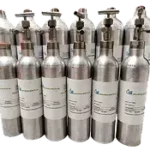
Overview
Chlorine is one of the most acutely hazardous gases encountered in industrial and municipal operations. Even at concentrations well below 1 ppm, it causes immediate irritation to the eyes, nose, and upper respiratory tract. At 10 ppm it becomes immediately dangerous to work in without respiratory protection. And unlike many industrial toxic gases, chlorine provides very little warning before exposure levels become dangerous — making reliable, accurately calibrated gas detection not just a regulatory requirement but a genuine life-safety measure in any environment where chlorine is handled, generated, or stored.
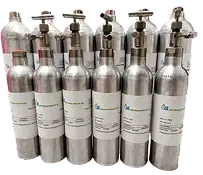
The CL2 Chlorine Balance Nitrogen Calibration Gas (5 / 10 / 50 ppm) is a range of precision-formulated span gas cylinders for the calibration of electrochemical chlorine gas detectors across three concentration levels. At 5 ppm, 10 ppm, and 50 ppm, these calibration concentrations cover the full range of chlorine detector alarm configurations — from low-level TLV-C (ceiling limit) calibration through to higher-range industrial process monitoring thresholds. The balance gas is nitrogen (N2), which provides a chemically inert, oxygen-free carrier that protects concentration stability and eliminates background gas interference during calibration.
Supplied by Alright Engineering Solutions as part of their span gas and regulator range, this calibration gas is available in C10 aluminium cylinders from 34 litres to 116 litres. For HSE managers, instrument technicians, and procurement teams at water treatment facilities, chemical plants, food and beverage operations, paper and pulp mills, and marine cargo handling sites, this product provides the certified chlorine reference gas required to keep your detector calibration programme accurate, documented, and audit-ready.
Key Features
Three Calibration Concentrations — 5 ppm, 10 ppm, and 50 ppm
Chlorine gas detectors are configured to alarm at different setpoints depending on the regulatory exposure limit being monitored and the operational context. The 5 ppm concentration is suited to detectors calibrated for low-level occupational exposure limit monitoring — relevant to water treatment, food processing, and laboratory environments where ACGIH TLV-C of 1 ppm or OSHA PEL of 1 ppm TWA / 3 ppm ceiling apply. The 10 ppm concentration supports calibration of detectors set to mid-range alarm thresholds, including STEL-referenced configurations. The 50 ppm concentration is appropriate for detectors configured for higher-range process monitoring and emergency response applications. Matching the calibration gas concentration to the detector’s alarm setpoint is a fundamental requirement for accurate span calibration — and having all three concentrations available from a single supplier simplifies procurement across a mixed detector fleet with different alarm configurations.
Nitrogen Balance Gas — Inert Carrier for Chlorine Stability and Interference-Free Calibration
Chlorine is a highly reactive oxidising gas that interacts readily with moisture, organic materials, and many common atmospheric gases. Nitrogen balance gas provides a chemically inert carrier matrix that minimises the risk of chlorine reacting with the cylinder contents or balance gas over the cylinder’s service life — preserving the certified concentration from first use to last. Nitrogen’s oxygen-free composition also eliminates the possibility of background oxygen contributing to sensor cross-response during calibration, which can affect certain electrochemical sensor designs and produce calibration results that do not accurately represent sensor response to chlorine alone.
Multiple Cylinder Sizes — 34L to 116L
The C10 cylinder range is available in five sizes: 34L, 58L, 103L, 110L, and 116L. The 34L and 58L options are suited to portable calibration kits, single-instrument maintenance, and field calibration tasks where cylinder weight and portability are operational constraints. The 103L, 110L, and 116L sizes support fixed calibration stations and high-frequency maintenance programmes — delivering a lower cost per calibration event and reducing the disruption of cylinder changeout in active calibration schedules. For water treatment plants and chemical facilities calibrating multiple chlorine detectors on a weekly or monthly schedule, the larger cylinder sizes provide an economy of scale that small canister formats cannot match.
Precision-Formulated Concentration — Certified and Traceable
Chlorine calibration gas for safety-critical detector maintenance must carry a certified concentration with documented traceability to national or international measurement standards. The concentration accuracy of this span gas — at 5, 10, or 50 ppm — is appropriate for safety instrument calibration and supports the traceable calibration records required under ISO 9001 quality management systems, ISO 45001 occupational health and safety management systems, and site-specific instrument calibration control procedures subject to internal or external audit. For facilities where calibration records are reviewed during regulatory inspections, certified concentration documentation is the standard that distinguishes a defensible calibration programme from one that cannot withstand scrutiny.
Aluminium Cylinder with Chlorine-Compatible Construction
Chlorine’s reactivity makes cylinder material selection critical for calibration gas storage. Aluminium provides the chemical compatibility required for stable chlorine gas containment — resisting the corrosive effects that chlorine exerts on ferrous metals and preventing cylinder wall degradation that could contaminate the gas or alter the certified concentration over time. Aluminium construction also offers a significant weight reduction compared to steel cylinders of equivalent volume, which matters practically when technicians are carrying calibration equipment to water treatment dosing points, elevated plant room platforms, confined space entry locations, and vessel holds.
Compatible with Standard Chlorine Detector Calibration Equipment
The cylinder valve configuration is compatible with standard calibration gas regulators and detector calibration adapters for chlorine-capable portable and fixed gas detector models from leading manufacturers including MSA, Industrial Scientific, Honeywell BW, Dräger, and others. Regulator and tubing material compatibility for chlorine service should be confirmed before use — Alright Engineering Solutions can advise on appropriate regulator and tubing specifications for your specific detector models and calibration workflow.
Technical Specifications
Product: CL2 Chlorine Balance Nitrogen Calibration Gas
Gas Component: Chlorine (Cl₂)
Available Concentrations: 5 ppm / 10 ppm / 50 ppm
Balance Gas: Nitrogen (N2)
Cylinder Specification: C10
Available Cylinder Sizes: 34L / 58L / 103L / 110L / 116L
Cylinder Material: Aluminium
Product Category: Span Gas and Regulator
Supplied By: Alright Engineering Solutions Pte. Ltd.
Benefits
Confirm your chlorine detector will alarm before exposure becomes dangerous. Electrochemical chlorine sensors are known to drift with age and can be affected by exposure to high chlorine concentrations, humidity fluctuations, and cross-sensitive gases including ozone and bromine. A drifted sensor may under-read chlorine concentration — providing apparent readings that understate actual exposure levels and potentially failing to alarm before workers enter a hazardous atmosphere. Regular span calibration with certified chlorine span gas at the concentration matching your detector’s alarm setpoint is the only reliable method to verify that the sensor is responding correctly to chlorine — not simply that it is powered on.
Maintain auditable calibration records for regulatory compliance. Facilities handling chlorine — water treatment works, chemical plants, food processing operations, and marine cargo handling sites — are typically subject to workplace safety regulations that require gas detection instruments to be maintained and calibrated at specified intervals. Calibration records demonstrating that detectors were calibrated against certified reference gas at the appropriate concentration provide the auditable evidence required during regulatory inspections, insurance reviews, and internal HSE audits. Calibration performed against uncertified gas cannot provide this assurance.
Select the calibration concentration that matches your detector’s alarm configuration. Calibrating a detector configured to alarm at 1 ppm TWA against a 50 ppm span gas introduces significant span error at the detector’s operating range. The availability of 5 ppm, 10 ppm, and 50 ppm options from a single supplier allows you to procure the calibration concentration most relevant to your detector’s specific alarm setpoints — improving calibration accuracy at the threshold that actually determines whether your workers receive a timely warning.
Reduce per-calibration cost with larger cylinder formats. Small aerosol-format chlorine calibration gas canisters are convenient for occasional single-instrument calibration but become disproportionately expensive when multiple detectors are calibrated on a regular weekly or monthly schedule. The 103L to 116L cylinder options reduce the cost per calibration event substantially — delivering the same certified calibration quality at a lower ongoing operational cost for facilities with structured multi-detector maintenance programmes.
Local availability in Singapore for scheduled and urgent supply. Alright Engineering Solutions maintains chlorine span gas stock locally across all three concentrations and multiple cylinder sizes, providing prompt supply for scheduled maintenance programmes and urgent cylinder replacement requirements — without the lead time uncertainty of overseas sourcing for a gas that has a finite cylinder life and cannot be held indefinitely once opened.
Who It’s For
The Water Treatment Plant Operator or Instrument Technician
You maintain chlorine gas detection systems at a water treatment works, desalination plant, or swimming pool facility where chlorine is used for disinfection. Your site operates fixed chlorine detectors in the chlorination room and portable detectors for maintenance staff, and your maintenance procedure requires regular bump testing and span calibration. You need certified 5 ppm or 10 ppm chlorine span gas in a cylinder size that supports your calibration station, with reliable local supply to keep your maintenance schedule on track — and you need calibration records that will hold up under a regulatory or statutory inspection of your safety systems.
The HSE Officer at a Chemical Manufacturing or Pulp and Paper Facility
You’re responsible for gas detection compliance at a facility where chlorine is used as a process chemical — in chemical synthesis, bleaching operations, or as a raw material for chlorinated compound manufacturing. Your site may operate multiple chlorine detector points across different process areas, each calibrated to the alarm threshold relevant to that area’s risk assessment. You need a span gas supplier who can reliably provide the concentration variants your maintenance programme requires, with certified documentation to support your calibration records and the HSE audit trail your organisation is required to maintain.
The Safety Equipment Procurement Officer for a Multi-Site or Fleet Operation
You source calibration gas across a managed portfolio of sites — water utilities, chemical facilities, food processing plants, or a gas detector rental fleet — where chlorine detectors are in service and require regular calibration maintenance. You need consistent supply of certified chlorine span gas across one or more concentration variants, in cylinder sizes that balance cost per calibration against changeout frequency. Alright Engineering Solutions can provide formal quotations for regular supply arrangements and assist with multi-concentration and multi-gas requirements across your operation.
Possible Applications
- Water treatment and desalination plants — Span calibration of fixed and portable chlorine detectors in chlorination dosing rooms, chemical storage areas, and pump stations at municipal water treatment works, industrial water treatment facilities, and seawater desalination plants
- Swimming pool and aquatic facility management — Calibration of chlorine gas detectors in pool plant rooms and chemical storage areas where chlorine gas leakage from cylinder dosing systems represents a staff and public safety hazard
- Chemical manufacturing and chlorine production — Detector calibration in chlor-alkali production facilities, chlorinated solvent manufacturing operations, and chemical process areas where chlorine is a primary process chemical or reaction intermediate
- Pulp and paper bleaching operations — Calibration of chlorine and chlorine dioxide detectors in bleach plant areas and chemical preparation rooms at pulp mills where chlorine-based bleaching agents are used in paper production
- Food and beverage processing — Calibration of chlorine detectors used in CIP (clean-in-place) chemical preparation areas and food contact surface disinfection zones where chlorinated sanitising agents are in regular use
- Marine cargo vessel holds and chemical tankers — Calibration of portable gas detectors used in cargo hold inspection, tank cleaning monitoring, and confined space entry procedures on chemical tankers and vessels carrying chlorine-based cargo
- Pharmaceutical manufacturing and laboratory environments — Span calibration of chlorine monitors in laboratory fume cupboard areas, cleanroom environments, and pharmaceutical synthesis areas where chlorine is used as a synthesis reagent or sterilising agent
- Emergency response and HAZMAT team equipment — Pre-deployment calibration of portable chlorine detectors used by industrial emergency response teams, fire brigades, and HAZMAT units responding to chlorine release incidents at industrial and municipal facilities
Trust and Certifications
Certified Calibration Gas — Traceable Concentration Documentation
Each cylinder is prepared to a certified chlorine concentration — 5, 10, or 50 ppm — with traceability documentation to national or international measurement standards appropriate for safety instrument calibration. For organisations maintaining calibration records under ISO 9001, ISO 45001, or equivalent management system standards, certified span gas with traceable concentration documentation provides the evidence base that demonstrates calibration was performed against a verified reference — not an informal gas mixture of unconfirmed accuracy. This distinction is material in the event of a chlorine incident where calibration records become subject to regulatory or legal scrutiny.
Compliance Support for Occupational Exposure Limit Monitoring
Chlorine occupational exposure limits are among the most stringent of any common industrial gas — ACGIH sets a TLV-Ceiling of 1 ppm, OSHA a PEL of 1 ppm TWA and 3 ppm ceiling, and Singapore’s WSH (Workplace Safety and Health) framework references equivalent limits for chlorine in the workplace. Gas detectors used to monitor compliance with these limits must be calibrated accurately to the low-concentration ranges relevant to those limits. The 5 ppm calibration gas option supports detector calibration for low-level OEL monitoring, while the 10 ppm and 50 ppm options cover mid-range and high-range detector configurations — providing a complete calibration gas solution across the full range of chlorine detection applications.
Suitable for Calibration of ATEX, IECEx, and Electrochemical Chlorine Detectors
Portable chlorine detectors used in potentially explosive atmospheres carry ATEX or IECEx certifications for their safe use in hazardous area classifications. Maintaining these instruments in calibration using certified span gas is a condition of continued certified performance. For detectors used in safety instrumented systems (SIS) with SIL ratings under IEC 61508 / IEC 61511, calibration with traceable reference gas is typically a specific validation and maintenance requirement. This chlorine span gas is suitable for calibration of ATEX-certified, IECEx-certified, and standard electrochemical chlorine detection instruments across portable and fixed detector formats.
Supplied by Alright Engineering Solutions — Singapore Gas Detection Specialist
The CL2 Chlorine Balance Nitrogen Calibration Gas range is supplied by Alright Engineering Solutions Pte. Ltd., a Singapore-based distributor of portable and fixed gas detection equipment, calibration gases, and safety instrumentation. Alright Engineering Solutions supports water utilities, chemical manufacturers, food processors, vessel operators, and safety equipment service companies across Singapore and the Southeast Asian region with gas detection equipment, span gas supply, and calibration support services.
Accessories and Variants
Chlorine-Compatible Calibration Regulators
Chlorine’s reactivity requires that calibration regulators be constructed from materials rated for chlorine service — standard brass regulators will corrode rapidly on contact with chlorine gas, contaminating the calibration gas stream and potentially damaging the regulator beyond repair. Alright Engineering Solutions supplies calibration regulators in chlorine-compatible materials, with fixed-flow and demand-flow options to suit different detector calibration flow rate requirements. Confirming regulator material compatibility before connecting a chlorine span gas cylinder to any regulator is strongly recommended.
PTFE Calibration Tubing
Standard PVC and rubber calibration tubing can adsorb chlorine from the gas stream — reducing the effective concentration delivered to the detector and producing a calibration result that underestimates the span gas concentration. PTFE (polytetrafluoroethylene) tubing is the recommended material for chlorine calibration gas delivery, providing a chemically inert flow path from the regulator outlet to the detector calibration inlet that preserves the certified concentration through to the point of measurement. Alright Engineering Solutions can advise on PTFE tubing and calibration adapter options compatible with your detector models.
Available Concentration Variants
This product is available in three certified chlorine concentrations:
5 ppm Cl₂ Balance N2 — For low-level chlorine detector calibration in water treatment, food processing, and laboratory environments operating under OEL-referenced alarm configurations
10 ppm Cl₂ Balance N2 — For mid-range detector calibration in chemical processing, industrial hygiene monitoring, and STEL-referenced alarm threshold applications
50 ppm Cl₂ Balance N2 — For high-range process monitoring, emergency response detector calibration, and industrial chlorine handling facility applications
Related Span Gas Products from Alright Engineering Solutions
Ammonia (NH₃) Balance N2 — 5/10/50 ppm ammonia span gas for toxic gas detector calibration in refrigeration, chemical, and wastewater applications
Hydrogen Sulphide (H₂S) Balance N2 — Single-gas and multi-gas H₂S calibration cylinders for oil and gas, marine, and confined space entry detector maintenance
Carbon Monoxide (CO) Balance Air / N2 — CO span gas for combustion monitoring and confined space entry detector calibration
Multi-gas calibration mixtures — Combined toxic gas and LEL calibration mixtures for four-gas and multi-gas detector calibration programmes
Get in Touch
If you need to source CL2 Chlorine Balance Nitrogen calibration gas — at 5 ppm, 10 ppm, or 50 ppm — for your chlorine detector maintenance programme at a water treatment facility, chemical plant, food processing operation, marine vessel, or multi-site safety programme, contact Alright Engineering Solutions to confirm concentration and cylinder size availability and request a formal quotation.
Our team can also assist with chlorine-compatible regulator and tubing selection, multi-gas mixture sourcing, and chlorine gas detection equipment supply for your facility or fleet requirements.
📍 3791 Jalan Bukit Merah #06-01, E-Centre @ Redhill, Singapore 159471