Cart (
Overview
Gas detector calibration is only as reliable as the calibration gas used to perform it. For safety managers, HSE officers, and instrument technicians who rely on fixed or portable gas detectors to protect personnel in confined spaces, industrial plants, and marine environments, using an incorrect or degraded calibration gas mix doesn’t just produce inaccurate readings — it creates a documented compliance gap that can invalidate detector certification and expose the organisation to regulatory liability.
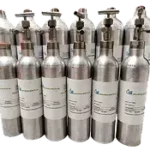
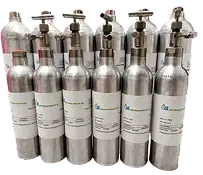
The Sulfur Dioxide (SO2) 160ppm / CO2 8%Vol Balanced N2 Span Gas is a precision multi-component calibration gas mixture supplied in a 10-litre aluminium cylinder (C10). The mix is formulated to deliver a verified concentration of 160 parts per million of sulfur dioxide and 8% by volume of carbon dioxide, with nitrogen as the balance gas — covering two of the most operationally significant target gases in industrial and marine environments within a single calibration cylinder.
What sets this calibration gas apart is the combination of its multi-gas formulation and cylinder size. A single C10 cylinder calibrates both SO2 and CO2 channels in one connection — reducing calibration time, cylinder inventory, and the complexity of managing separate single-gas standards for each detector. For procurement teams managing calibration consumables across multiple sites or vessels, that consolidation has a direct and measurable impact on both cost and operational efficiency.
Key Features
Sulfur Dioxide (SO2) at 160ppm — Target Concentration for Detector Span Calibration
The SO2 component is formulated at 160ppm — a concentration appropriate for spanning sulfur dioxide detectors commonly used in marine engine rooms, refineries, power generation facilities, and industrial sites where SO2 is a credible inhalation hazard. Span calibration at a defined, verified concentration ensures the detector’s response curve is correctly set across its measurement range. Using a calibration gas at an inappropriate concentration — too high or too low relative to the detector’s range — can introduce span error that degrades the accuracy of every reading the instrument produces until the next calibration cycle.
Carbon Dioxide (CO2) at 8% by Volume — Covers Both Confined Space and High-Range CO2 Monitoring
At 8% by volume, the CO2 component of this mixture sits in the upper range of CO2 concentrations relevant to confined space entry monitoring and industrial process gas detection. This concentration is appropriate for spanning high-range CO2 detectors used in environments where CO2 can accumulate to dangerous levels — cargo hold monitoring on vessels, fermentation tanks, cold storage facilities, and CO2-rich industrial process environments. Calibrating at a concentration that reflects the upper end of the detection range verifies the detector’s linearity and response across the range that matters most for personnel safety in those environments.
Nitrogen Balance Gas — Chemically Inert Diluent with No Interference
Nitrogen (N2) is used as the balance gas for this mixture. As a chemically inert diluent, nitrogen introduces no cross-sensitivity interference with the SO2 or CO2 target gas components — ensuring the detector under calibration is exposed only to the target gas concentrations specified on the cylinder certificate. For SO2 calibration in particular, where cross-sensitivity to other reactive gases can affect electrochemical sensor response, a nitrogen-balanced mixture is the standard formulation for accurate and repeatable span calibration results.
C10 / 10-Litre Aluminium Cylinder — Practical Cylinder Size for Field and Workshop Use
The gas mixture is supplied in a 10-litre aluminium cylinder — a cylinder size that balances portability with gas capacity for both field calibration use and workshop or laboratory applications. The C10 aluminium cylinder is lightweight relative to steel alternatives, corrosion-resistant, and compatible with standard single-stage calibration gas regulators. For instrument technicians performing on-site detector calibration across multiple instruments or locations, the C10 size provides sufficient gas volume for multiple calibration events without the handling burden of larger cylinder formats.
Multi-Component Single-Cylinder Formulation — Two Gases, One Connection
Combining SO2 and CO2 in a single calibration cylinder means a detector equipped with both sensor channels — or a calibration sequence covering both gas types — can be spanned from one cylinder connection. This reduces the number of cylinder changeovers required during calibration, shortens the overall calibration time per instrument, and eliminates the risk of calibration sequence interruptions caused by cylinder swap-outs mid-procedure. For operations with tight maintenance windows or high instrument counts, the efficiency gain from a multi-gas calibration cylinder is tangible and repeatable across every calibration cycle.
Technical Specifications
Cylinder: C10 / 10 Litres — Aluminium
Sulfur Dioxide (SO2): 160 ppm
Carbon Dioxide (CO2): 8% Vol
Balance Gas: Nitrogen (N2)
Benefits
Accurate detector calibration supports personnel safety and regulatory compliance. A gas detector that has not been correctly spanned against a verified calibration gas concentration may underread target gas levels — providing a false indication of safe conditions in an atmosphere where hazardous gas concentrations are actually present. Regular span calibration with a certified gas mixture at the correct concentration is the technical foundation of a gas detection programme that personnel and safety managers can trust. Correct calibration is also a documented requirement under most industrial and marine gas detection standards and management system frameworks.
Multi-gas formulation reduces calibration consumable inventory and cost. Managing separate SO2 and CO2 calibration cylinders doubles the number of cylinders to track, procure, replace, and dispose of. A single combined cylinder covers both calibration requirements — reducing cylinder inventory, simplifying procurement, and cutting the administrative overhead of managing separate calibration gas stock for each target gas. For safety equipment managers running multi-site operations, that simplification scales proportionally with instrument count and site numbers.
Nitrogen balance gas eliminates cross-sensitivity interference for accurate span results. Calibration gas mixtures balanced in air can introduce oxygen-related cross-sensitivity effects on certain electrochemical sensors — particularly SO2 sensors, which can exhibit measurable oxygen dependence. A nitrogen-balanced SO2 calibration gas eliminates this variable, producing a cleaner and more repeatable span result across calibration cycles. For operations where calibration accuracy and repeatability are audited as part of a quality management or safety management system, the technical consistency of nitrogen-balanced calibration gas provides a defensible and documented calibration standard.
C10 cylinder size supports both field portability and multi-instrument calibration capacity. The 10-litre cylinder format is light enough to transport to the point of calibration — whether that’s a confined space access point, a vessel engine room, or a production facility — while providing sufficient gas volume for multiple calibration events per cylinder. Instrument technicians can complete more calibrations per cylinder fill without the handling burden of larger formats, reducing per-calibration gas cost and the frequency of cylinder replacements.
Who It’s For
The HSE Officer or Safety Manager Responsible for Gas Detection Programme Compliance
You manage the gas detection programme for a facility, vessel fleet, or multi-site operation where SO2 and CO2 detectors are deployed as part of a documented safety management system. Detector calibration records are reviewed during audits, class surveys, or regulatory inspections — and you need calibration consumables that are correctly formulated for the instruments in your programme. A single-cylinder multi-gas solution that covers both your SO2 and CO2 calibration requirements simplifies your calibration consumable procurement and reduces the number of variables in your calibration records.
The Instrument Technician Performing On-Site Detector Calibration
You calibrate portable and fixed gas detectors across a facility, vessel, or project site — often on a scheduled maintenance cycle with a defined number of instruments to cover within a maintenance window. Carrying a single calibration cylinder that covers SO2 and CO2 span calibration in one connection saves cylinder changeover time per instrument and reduces the number of cylinders you need to transport to the calibration site. When calibration windows are tight and instrument counts are high, that efficiency directly affects whether the calibration schedule is completed within the available time.
Possible Applications
- Marine vessel engine room gas detection calibration — Span calibration of fixed SO2 and CO2 detectors installed in engine rooms, pump rooms, and cargo spaces on oil tankers, chemical tankers, gas carriers, and offshore vessels
- Petroleum refinery and petrochemical plant detector maintenance — Calibration of fixed and portable SO2 detectors deployed in process areas where sulfur compounds are present as process gases or combustion by-products
- Power generation facility flue gas monitoring — Span calibration of SO2 monitors used in stack emission monitoring and continuous emissions monitoring systems (CEMS) at coal-fired and fuel oil power stations
- Confined space entry programme — CO2 monitoring — Calibration of portable multi-gas monitors used for pre-entry atmosphere testing in confined spaces where CO2 accumulation is a credible hazard, including cargo holds, tanks, tunnels, and underground utilities
- Cold storage and refrigeration facility gas detection — Span calibration of CO2 detectors used in cold storage rooms, refrigerated warehouses, and food processing facilities where CO2 is used as a refrigerant or atmosphere control agent
- Waste water treatment plant gas monitoring — Calibration of portable and fixed gas detectors used in sewage treatment works and wet well environments where both CO2 and reactive gas accumulation in confined spaces present inhalation hazard risks
- Industrial hygiene and occupational health monitoring — Span calibration of direct-reading instruments used by occupational hygienists and industrial hygiene monitoring programmes where SO2 personal exposure monitoring is required in regulatory compliance programmes
Trust and Certifications
Certified Calibration Gas — Traceable Concentration Accuracy
Calibration gas mixtures supplied for instrument calibration use are manufactured to a defined analytical accuracy standard, with gas concentrations verified against traceable reference standards. Certified calibration gas cylinders are accompanied by a certificate of analysis specifying the verified gas concentrations — providing the documented calibration traceability required by quality management systems, safety management systems, and regulatory compliance programmes. For operations where calibration records are audited, the cylinder certificate provides the documentary evidence of calibration gas concentration that supports the validity of detector calibration records.
Aluminium Cylinder — Safe for SO2 and CO2 Service
The C10 aluminium cylinder is an appropriate cylinder material for SO2 and CO2 calibration gas service. Aluminium cylinders are corrosion-resistant and compatible with the reactive and non-reactive gas components in this mixture. Cylinders are manufactured and tested to applicable pressure vessel standards and should be handled, stored, and transported in accordance with compressed gas cylinder safety requirements — including secure upright storage, protection from heat sources, and use of appropriate cylinder regulators rated for calibration gas service.
Supplied by Alright Engineering Solutions
The SO2 160ppm / CO2 8%Vol Bal N2 span gas is supplied through Alright Engineering Solutions Pte. Ltd., an authorised distributor of portable and fixed gas detection equipment, calibration gas, and marine safety system components in Singapore. Alright Engineering Solutions provides local procurement support for calibration gas, gas detection instruments, and associated safety equipment across the Singapore and regional market.
Accessories and Variants
Calibration Gas Regulator
A single-stage calibration gas regulator is required to connect the C10 cylinder to the instrument under calibration. Alright Engineering Solutions can advise on compatible regulator options for your specific instrument and cylinder valve configuration — contact our team with your instrument make and model for regulator compatibility guidance.
Additional Span Gas Mixtures
Alright Engineering Solutions stocks a range of calibration gas mixtures for portable and fixed gas detector calibration — including single-component and multi-component span gas mixtures covering combustible gas (LEL), oxygen, carbon monoxide, hydrogen sulfide, and other target gases relevant to industrial and marine applications. Contact our team with your specific calibration gas requirements for availability and pricing.
Related Products from Alright Engineering Solutions
Single-Stage Calibration Gas Regulator — Compatible regulators for C10 and other cylinder formats used in portable gas detector calibration
GX-8000 Sample Draw Multi Gas Monitor — Portable marine sample draw multi-gas monitor for vessel confined space entry with SO2 and CO2 sensor options
RX-8700 Portable Gas Detector — Portable multi-gas monitor with ATEX/IECEx/MED certification for marine and industrial applications
Fixed Gas Detection Systems — Fixed point gas detectors and system components for permanent installation in marine and industrial environments
Get in Touch
If you need to source the SO2 160ppm / CO2 8%Vol Bal N2 span gas cylinder for your gas detection calibration programme — whether for a scheduled calibration cycle, a project requirement, or ongoing site supply — contact Alright Engineering Solutions to confirm availability and request a formal quotation.
Our team can also assist with sourcing additional calibration gas mixtures, compatible regulators, and portable gas detection instruments for your facility, vessel, or project requirements.
📍 3791 Jalan Bukit Merah #06-01, E-Centre @ Redhill, Singapore 159471