Cart (
Overview
Managing oil mist detection across a vessel with multiple engines, generator sets, and machinery spaces means receiving alarm signals and concentration data from several independent detection systems simultaneously — and doing so through separate displays, separate alarm panels, and separate data streams that give no unified picture of the vessel’s overall oil mist hazard status at any given moment. For officers on watch, engineers on rounds, and safety superintendents reviewing fleet performance, this fragmented monitoring architecture creates a real operational gap: information exists in the system, but it is not presented in a way that supports fast, confident decision-making.
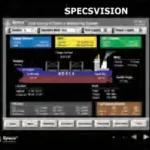
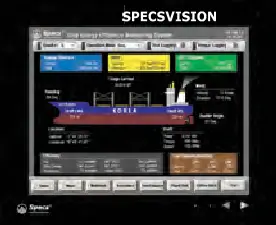
The Specs Oil Mist Detector SPM — powered by the SPECSVISION platform — is a centralised ship performance monitoring and oil mist detection management system that brings the data from multiple oil mist detectors and vessel monitoring points into a single, graphical touchscreen interface. As visible in the product display image, the SPECSVISION platform presents a real-time visual overview of the vessel in plan view, overlaid with oil mist concentration data, alarm status indicators, and system status information for each monitored zone — giving the officer or engineer a complete situational picture of oil mist conditions across the vessel from a single screen.
What sets the Specs SPM apart from conventional standalone oil mist detector controllers is the SPECSVISION platform’s ability to integrate data from multiple detection points into a vessel-level graphical overview — not just an alarm panel with indicator lights, but a visual representation of the vessel’s current oil mist status that correlates detection data with physical vessel location. For vessels with complex engine room layouts, multiple engine installations, or fleet operators who need consistent monitoring standards across managed vessels, the SPM’s integrated graphical monitoring capability represents a meaningful step up from the piecemeal monitoring that standalone detectors with independent displays provide.
Key Features
SPECSVISION Graphical Vessel Overview Display
The SPECSVISION platform’s defining feature is its graphical touchscreen interface that displays a real-time plan-view representation of the monitored vessel, with oil mist concentration data and alarm status overlaid at each monitored location. The display visible in the product image shows a vessel outline with colour-coded status zones, concentration level indicators, and system status panels — giving anyone viewing the screen an immediate, spatially contextualised understanding of where oil mist conditions are normal, where pre-alarm conditions exist, and where alarm thresholds have been reached. This spatial contextualisation of detection data is something that an alarm panel with numbered indicator lights cannot provide, and it directly reduces the time required to assess the vessel’s overall oil mist hazard status and identify the specific location requiring attention.
Multi-Point Integrated Monitoring
The SPM integrates monitoring data from multiple oil mist detection points across the vessel into the SPECSVISION central display — covering main engines, generator sets, auxiliary machinery spaces, and any other monitored zones within the vessel’s oil mist detection network. Rather than reading alarm status from separate detector controllers for each engine or space, the officer or engineer managing oil mist monitoring reads the complete picture from the SPECSVISION display. For vessels with multiple engines, dual shaft installations, or extensive machinery spaces, multi-point integrated monitoring through a single display interface significantly reduces the monitoring workload compared to managing multiple independent detector systems.
Colour-Coded Zone Status Display
The SPECSVISION display uses colour-coded status representation for each monitored zone — as visible in the product image, where different areas of the vessel display are shown in distinct colours corresponding to their current monitoring status. Colour coding allows instant visual triage of the vessel’s oil mist status across all monitored zones simultaneously: normal status zones, pre-alarm zones, and high-alarm zones are immediately distinguishable without reading individual data values. In a high-workload situation where an officer needs to assess which zone requires immediate attention, colour-coded status representation reduces the cognitive processing time required to make that assessment.
Touchscreen Interface and Intuitive Navigation
The SPECSVISION platform operates via a touchscreen interface, providing direct interaction with the vessel overview display, individual zone drill-down, alarm acknowledgement, and system configuration through the screen surface without requiring separate keyboard or mouse input. Touchscreen interaction is particularly practical in engine room and bridge environments where console space is constrained and operators may be wearing gloves or working in conditions where fine motor control for keyboard input is impractical. The interface navigation visible in the product image — with clearly labelled function buttons and a structured display layout — is consistent with a system designed for operational use in a marine environment rather than office-based monitoring.
Vessel-Specific Configuration and Zone Labelling
The SPECSVISION display can be configured to reflect the specific layout and zone structure of the monitored vessel — as shown in the product image, where the vessel plan view shows labelled zones corresponding to specific vessel locations and machinery spaces. Vessel-specific configuration means that the alarm and status information displayed on the SPECSVISION screen is directly correlated with the actual physical layout of the vessel, rather than a generic numbered zone display that requires cross-referencing against a separate zone map to interpret. For crew unfamiliar with the vessel’s alarm system layout, vessel-specific zone labelling reduces the training requirement for interpreting oil mist monitoring status.
Available in New and Refurbished Condition
The Specs SPM is available in both new condition and refurbished condition — a procurement flexibility that matches the range of installation contexts in which the system is sourced. New units are appropriate for newbuild installations, major vessel refits, or fleet standardisation programmes where a new system with full documentation is specified. Refurbished units — inspected and function-tested before supply — provide a cost-effective path for vessels replacing an existing SPM installation where the vessel’s remaining service life or maintenance budget makes a new system difficult to justify commercially.
Technical Specifications
Manufacturer: Specs
Model: SPM (SPECSVISION Platform)
Description: Specs Oil Mist Detector SPM — Centralised Ship Oil Mist Monitoring and Management System
Display: SPECSVISION graphical touchscreen — vessel plan-view overview with colour-coded zone status, concentration data, and alarm indicators
Monitoring Scope: Multi-point oil mist detection integration across engines, generator sets, and machinery spaces
Interface: Touchscreen with labelled function controls
Zone Display: Colour-coded vessel-specific zone status with location labelling
Compatible Detectors: Specs oil mist detection systems (VISION IIIA, Crankcase OMD, and compatible Specs detector network)
Condition Available: New and Refurbished
Benefits
Single display, complete vessel oil mist picture — no more checking multiple controller panels. The operational benefit of the SPECSVISION SPM is straightforward: instead of an engineer needing to check the display on the MD-9M controller, the VISION IIIA room detector output, and the generator engine monitoring panel separately to understand the vessel’s overall oil mist status, all of that information is available in one place, in one display, in a format that makes the vessel’s current status immediately readable. In a situation where oil mist conditions are developing rapidly on a running vessel, the time saved by not having to cross-check multiple displays is time available for responding to the developing situation.
Spatial contextualisation of alarms — know where the problem is, not just that a problem exists. When the SPECSVISION display shows a colour change in a specific zone of the vessel plan, the officer or engineer responding to the alarm already knows the physical location of the affected zone before they start moving toward the engine room. On a large vessel with multiple machinery spaces, this spatial pre-awareness of alarm location reduces response time and improves the quality of the initial response decision — whether that is to investigate the specific zone, reduce load on the affected engine, or initiate a broader safety response.
Supports consistent monitoring standards across fleet vessels. For ship management companies operating a fleet of vessels with Specs oil mist detection systems, the SPECSVISION SPM platform provides a consistent monitoring interface standard across vessels — meaning that officers and engineers moving between vessels in the fleet encounter the same display format, the same interaction model, and the same zone status colour coding on each vessel. Fleet-wide interface consistency reduces the training overhead for crew moving between vessels and supports consistent monitoring practice standards across the managed fleet.
New and refurbished availability supports fleet maintenance economics. The availability of the SPM in both new and refurbished condition allows ship management companies to match procurement condition to the specific maintenance context of each vessel in the fleet — new units for vessels at the beginning of their monitoring system lifecycle, function-tested refurbished units for vessels where the remaining service life or maintenance budget makes new system cost difficult to justify. Fleet operators managing vessels of different ages and values benefit from procurement flexibility that supports the economics of each asset rather than requiring a single condition standard across all vessels.
Centralised alarm record and monitoring data — supports ISM Code documentation requirements. A centralised monitoring platform that integrates alarm events and concentration data from multiple detection points into a single system creates a unified record of oil mist monitoring events across the vessel. For vessels managed under the ISM Code, maintaining documented records of safety system alarm events is a compliance requirement; a centralised platform that records all oil mist monitoring events in one place simplifies the documentation process compared to extracting and compiling records from multiple independent detector systems.
Who It’s For
The Chief Officer or Engineer Officer Responsible for Engine Room Safety Monitoring
You manage safety system monitoring on a vessel with multiple engines and machinery spaces, and you’ve experienced the frustration of responding to an oil mist alarm and spending the first thirty seconds working out which engine and which space is affected by cross-checking indicator panels in different locations. You want a monitoring display that shows you the vessel’s complete oil mist status in one place, in a format you can read at a glance — and that tells you where the problem is, not just that a problem exists somewhere in the system.
The Technical Superintendent Managing Fleet Safety System Standards
You’re responsible for safety system standards across a fleet of managed vessels, and you’ve identified inconsistency in oil mist monitoring practice between vessels — different detector systems, different display formats, different alarm management procedures — as a risk factor in your fleet’s safety management system. You want to standardise on a monitoring platform that provides a consistent interface and monitoring standard across fleet vessels, supports documented alarm event recording for ISM Code compliance, and is available in both new and refurbished condition to fit the maintenance economics of vessels at different points in their service lifecycle.
The Marine Systems Integrator Specifying a Centralised Safety Monitoring Package
You’re specifying a centralised safety monitoring package for a vessel newbuild or major refit, and the client requires oil mist monitoring data from multiple detection points to be presented in an integrated graphical display rather than through separate detector controller panels. You need a monitoring platform that integrates with the vessel’s Specs oil mist detection network, can be configured to reflect the vessel’s specific zone layout, and provides a display format that meets the operator’s situational awareness requirements for oil mist monitoring across a complex multi-engine installation.
Possible Applications
- Centralised oil mist monitoring on multi-engine cargo vessels and tankers — Integrated SPECSVISION display consolidating oil mist detection data from main engine crankcase detectors and engine room ambient detectors into a single vessel-overview monitoring screen
- Engine control room monitoring displays on large bulk carriers and container vessels — SPM display installed in the engine control room to provide duty engineers with real-time vessel-wide oil mist status alongside other machinery monitoring data
- Fleet safety management system standardisation programmes — SPM deployment across a managed fleet to establish consistent oil mist monitoring interface and alarm management standards across vessels with different engine configurations
- Vessel newbuild integrated safety monitoring packages — SPM specification as part of a newbuild vessel’s centralised safety monitoring architecture, integrating oil mist detection data with other safety system data in a single graphical display
- Major vessel refit and safety system upgrade programmes — SPM installation during drydock as a replacement for aging or piecemeal oil mist detector display infrastructure, providing a modern integrated monitoring interface for existing detector networks
- Offshore vessels and platform supply vessels with multiple generator installations — Centralised SPM monitoring of oil mist conditions across multiple generator engine installations on offshore support vessels where unplanned generator failure has significant operational consequences
- ISM Code compliance documentation support — SPM as the central record of oil mist monitoring alarm events across all vessel detection points, supporting the documented maintenance and alarm event records required under the ISM Code
Trust and Certifications
SPECSVISION — Specs Purpose-Built Marine Monitoring Platform
The SPECSVISION platform is Specs’ purpose-built marine monitoring and management software, developed specifically for the integration and graphical display of oil mist detection data on commercial vessels. As a manufacturer with a focused product range in marine oil mist detection — spanning the VISION IIIA room detector, the Crankcase OMD, and the SPECSVISION SPM management platform — Specs’ product range is designed as an integrated system rather than a collection of independent components. The SPM’s ability to interface with other Specs detectors within a cohesive monitoring architecture reflects this integrated product development approach.
New and Refurbished Condition — Function-Tested Before Supply
Refurbished Specs SPM units supplied through our team are inspected and function-tested before supply. For a monitoring platform that consolidates safety system data from multiple detection points, operational reliability of the central display unit is directly linked to the effectiveness of the vessel’s oil mist monitoring capability. Tested refurbished condition provides documented functional assurance that the unit is operating correctly across all its monitoring and display functions before installation. New units are supplied in original manufacturer condition with full documentation.
ISM Code and SOLAS Safety Management System Alignment
The Specs SPM’s centralised monitoring and alarm recording capability supports the documented safety management practices required under the ISM Code for vessels operating under an approved SMS. The ISM Code requires that vessels maintain documented records of safety system maintenance and alarm events; a centralised monitoring platform that records oil mist detection events across all monitored zones in a single system simplifies the compilation of these records compared to manually assembling records from multiple independent detector systems.
Supplied Through Alright Engineering Solutions — Marine Safety Equipment Specialist
The Specs Oil Mist Detector SPM is supplied through Alright Engineering Solutions Pte. Ltd., an authorised distributor of marine safety equipment and oil mist detection systems based in Singapore. Our team can provide technical support for SPECSVISION platform configuration, integration with existing Specs detector networks, and procurement support for both individual vessel projects and fleet-level SPM deployment programmes.
Accessories and Variants
Specs VISION IIIA Room Oil Mist Detector
The VISION IIIA ambient room oil mist detector connects to the SPM monitoring network, providing engine room and machinery space ambient mist concentration data to the SPECSVISION central display. For vessels requiring both ambient room monitoring and centralised display management, the VISION IIIA and SPM together form a complete room-level oil mist monitoring and management solution. Available in new condition through our team.
Specs Crankcase Oil Mist Detector
The Specs Crankcase OMD integrates with the SPECSVISION SPM monitoring network, providing crankcase oil mist detection data from individual diesel engine installations into the vessel’s centralised SPM display. For vessels requiring both crankcase monitoring and centralised display management across multiple engines, the Crankcase OMD and SPM together form a complete vessel-level oil mist detection and monitoring solution. Available in new and refurbished condition.
New Condition SPM Units
New Specs SPM units are available for newbuild installations, major vessel refits, or fleet standardisation programmes requiring new system documentation and certification. Contact our team for current availability and lead time against your installation schedule.
Refurbished Condition SPM Units
Function-tested refurbished Specs SPM units are available for cost-effective replacement of existing SPM installations and for vessels where maintenance economics support refurbished condition monitoring platform procurement. Contact our team for availability and documentation details for your class survey or maintenance records.
Related Oil Mist Detection Products
Daihatsu MD-9M Oil Mist Detector — Complete Daihatsu crankcase detection system for Daihatsu engine installations
Daihatsu MD-SX Oil Mist Detector — Per-cylinder crankcase monitoring for low, medium, and high-speed Daihatsu diesel engines
Daihatsu MD-9M Detector Head — Replacement sensor unit for existing MD-9M crankcase detection installations
Get in Touch
If you are specifying the Specs Oil Mist Detector SPM for a newbuild installation, a fleet safety system standardisation programme, or a replacement of an existing SPECSVISION platform — or if you need technical support for integrating the SPM with your vessel’s Specs oil mist detector network — contact our team to discuss your requirements and request a formal quotation.
Tell us your vessel type, the number of detection points to be integrated, and whether you require new or refurbished condition, and we will come back to you with availability, configuration guidance, and pricing promptly.
📍 3791 Jalan Bukit Merah #06-01, E-Centre @ Redhill, Singapore 159471