Overview
Oil mist in an engine room or machinery space is not always the result of a crankcase event. Leaking lubrication lines, failed pipe joints, worn pump seals, and oil carry-over from ventilation systems can all generate ambient oil mist concentrations that create fire hazard conditions long before they reach the level of a visible leak or visible smoke. Detecting ambient oil mist in an engine room or machinery space requires a different kind of sensor to a crankcase-mounted detector — one that monitors the general atmosphere of the space continuously, at a sensitivity level that captures developing mist conditions before they become a fire risk.
The Specs Room Oil Mist Detector — VISION IIIA Multi Sensor is a purpose-built ambient oil mist detection unit designed for continuous monitoring of oil mist concentration in engine rooms, machinery spaces, and similar industrial environments. The VISION IIIA measures oil mist concentration across a range of 0 to 5.0 mg/l and communicates concentration data to a Remote Monitoring Unit (RMU) via RS485 digital communication or a 4–20 mA analogue signal — two industry-standard signal formats that allow straightforward integration with vessel alarm management systems, fixed fire detection panels, and industrial process control infrastructure.
What sets the VISION IIIA apart from simpler oil mist detection devices in the same category is the combination of its multi-sensor detection architecture, its 0 to 5.0 mg/l detection range, and its RS485 communication capability. RS485 allows multiple VISION IIIA units to be networked on a single communication bus — meaning a single RMU can receive concentration data from multiple detection points across a large machinery space without requiring individual signal cable runs from each sensor to the monitoring station. For engine room safety system designers working with constrained cable infrastructure or needing to cover multiple detection zones from a single monitoring point, the RS485 network capability is a meaningful practical advantage over detectors limited to single-point analogue output.
Key Features
Dual Communication Output — RS485 and 4–20 mA
The VISION IIIA provides two industry-standard output options for communicating oil mist concentration data to the Remote Monitoring Unit: RS485 digital serial communication and a 4–20 mA analogue current loop output, both spanning a detection range of 0 to 5.0 mg/l. RS485 is a differential serial communication standard widely used in industrial and marine monitoring systems that allows multiple sensors to share a single communication cable in a networked bus configuration — reducing cable infrastructure requirements when multiple detection points are needed. The 4–20 mA output provides a universally compatible analogue signal that interfaces directly with virtually any industrial process controller, alarm panel, or data acquisition system without requiring additional communication hardware or software configuration.
Three-Colour LED Status Indication — Power, Fault, Alarm
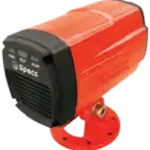
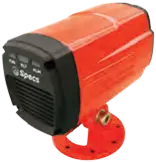
The VISION IIIA carries three clearly differentiated LED status indicators on its front face: green (Power ON), yellow (System Fault), and red (Mist Alarm). This three-colour traffic-light status scheme gives anyone entering the space or passing the detector an immediate, unambiguous read of the detector’s operating status and current detection condition — no display panel to read, no controller to consult. In a busy engine room environment where safety system status needs to be assessable quickly during rounds, local LED colour coding is a practical operational feature that reduces the cognitive load of status assessment.
Wide Detection Range — 0 to 5.0 mg/l
The VISION IIIA monitors oil mist concentration across a range of 0 to 5.0 mg/l — a detection range suited to ambient room monitoring applications where oil mist concentrations can develop gradually over a wide range before reaching alarm-level conditions. The 5.0 mg/l upper range ensures the detector continues to provide quantified concentration data even as conditions in the monitored space deteriorate beyond initial alarm threshold levels, giving operators and alarm systems accurate situational awareness of how rapidly conditions are developing rather than a simple binary alarm state.
IP44 Ingress Protection Rating
The VISION IIIA carries an IP44 ingress protection rating — confirming protection against solid objects greater than 1mm and protection against water splashes from any direction. For ambient room monitoring applications where the detector is mounted in an engine room or machinery space rather than directly on an engine crankcase, IP44 provides appropriate environmental protection for the installation environment without the over-engineering cost of a higher IP rating that the application does not require. The rating confirms the detector is built for industrial and marine engine room conditions rather than clean-room or bench-test use.
Halogen-Free PPA + GF30% and Aluminium Body Construction
The VISION IIIA enclosure is constructed from a combination of PPA (polyphthalamide) reinforced with 30% glass fibre — a high-performance engineering polymer with excellent chemical resistance, dimensional stability at elevated temperatures, and mechanical strength — and an aluminium body for the main detector housing. The halogen-free material specification is relevant for marine and enclosed-space applications where combustion products from electrical components must meet low-toxicity and low-smoke requirements under fire conditions. This material specification is not incidental — it reflects the VISION IIIA’s design for environments where fire safety material compliance is a genuine requirement.
Flexible Mounting — Standard Stand or Bracket
The VISION IIIA supports two mounting configurations: a standard pedestal stand (visible in the product image as the flange-base mounting foot) for free-standing or deck-mounted installation, and a bracket mount for bulkhead or overhead installation. The mounting flexibility allows the detector to be positioned at the optimal height and orientation for oil mist detection in the specific space being monitored — whether that is a low-level deck mount to capture heavier-than-air mist concentration near the floor, or a bulkhead mount at mid-space height for general ambient monitoring. The 5-way plug-in connector or cable gland connection options further simplify installation in different cable infrastructure configurations.
24 VDC Power Supply with Wide Operating Temperature Range
The VISION IIIA operates on a 24 VDC power supply — the standard DC voltage used in marine and industrial safety system infrastructure — and covers an operating temperature range of 0°C to 70°C. The 70°C upper operating temperature is significant for engine room applications where ambient temperatures in the monitored space may be considerably higher than general accommodation or control room areas. A detector that reaches its operating temperature limit in the environment it is installed to monitor is not a reliable safety component; the VISION IIIA’s 70°C rating confirms suitability for the elevated-temperature conditions typical of active engine room and machinery space installations.
Technical Specifications
Manufacturer: Specs
Model: VISION IIIA Multi Sensor
Application: Ambient engine room / machinery space oil mist detection
Detection Range: 0 – 5.0 mg/l oil mist concentration
Communication Output: RS485 digital or 4–20 mA analogue (0–5.0 mg/l range)
Status Indicators: 3-colour LED — Green (Power ON), Yellow (System Fault), Red (Mist Alarm)
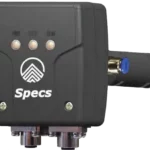
Connector: 5-way plug-in connector or cable gland (Pin 1&2: Power; Pin 3&4: Signal; Pin 5: Shield)
Mounting: Standard pedestal stand or bracket
IP Rating: IP44
Power Supply: 24 VDC
Operating Temperature: 0°C to 70°C
Dimensions: H 160 × W 100 × L 173 mm
Weight: 1.4 kg
Housing Material: PPA + GF 30% (halogen-free), Aluminium body
Benefits
Catches ambient oil mist hazards that crankcase detectors cannot see. A crankcase oil mist detector monitors inside the engine crankcase — it does not monitor the general engine room atmosphere. Leaking lubrication lines, failed oil seals, overheated oil spray from pump or pipe failures, and oil mist carry-over from ventilation can all generate ambient oil mist concentrations in the engine room that create fire ignition risk without triggering any crankcase alarm. The VISION IIIA fills this detection gap by continuously monitoring the ambient atmosphere of the engine room or machinery space — providing a layer of fire hazard detection that the crankcase protection system cannot provide.
RS485 networking reduces cable infrastructure for multi-zone monitoring. When multiple detection points are required to cover a large engine room or machinery space, RS485 networking allows several VISION IIIA units to share a single communication cable run back to the RMU — rather than requiring individual signal cables from each detector to the monitoring station. For system designers working with constrained cable routing or retrofitting oil mist monitoring to an existing engine room layout, the RS485 bus architecture can significantly reduce the cable installation scope and associated installation cost compared to systems requiring individual analogue wiring per detector.
4–20 mA output integrates with virtually any existing alarm or monitoring system. The 4–20 mA analogue output is the most universally supported signal standard in industrial and marine monitoring infrastructure. Any alarm management system, fire detection panel, or process controller that accepts a 4–20 mA input — which covers the vast majority of marine and industrial monitoring systems — can receive and process the VISION IIIA’s concentration signal without requiring additional signal conditioning hardware, protocol converters, or software configuration. This plug-in compatibility with existing infrastructure reduces integration cost and commissioning complexity for new installations.
Halogen-free construction supports fire safety material compliance in enclosed spaces. On vessels and in industrial facilities where material specifications for electrical equipment in enclosed spaces must meet low-toxicity and low-smoke requirements under fire conditions, the VISION IIIA’s halogen-free housing material satisfies this requirement without requiring special procurement approval or material compliance documentation outside the standard specification. For safety managers and HSE officers responsible for material compliance in enclosed machinery spaces, the halogen-free specification is a procurement detail that removes a potential compliance question before it arises.
Local colour-coded status visible during engine room rounds without panel access. The VISION IIIA’s green/yellow/red LED status scheme means that any crew member conducting routine engine room rounds can confirm oil mist monitoring status at a glance as they pass each detector — powered and healthy (green), fault condition (yellow), or alarm active (red). In a safety system where the first sign of a problem is sometimes noticed during rounds rather than at the alarm panel, local visual status indication at the detector itself adds a practical layer of human-in-the-loop monitoring that supports the electronic alarm system.
Who It’s For
The Marine Engineer or Safety Officer Responsible for Engine Room Fire Prevention
You’re responsible for the engine room fire detection and prevention systems on a vessel, and you know from experience that oil mist in the engine room atmosphere — from leaking lubrication systems, failed seals, or oil spray from pump failures — is one of the fire hazards that a fixed fire detection system alone may not catch early enough. You want ambient oil mist monitoring that integrates with your existing alarm management system via 4–20 mA or RS485, provides clear local status indication at the detector, and can be positioned where oil mist hazards are most likely to develop in your specific engine room layout.
The HSE Manager or Safety Engineer Specifying Machinery Space Hazard Detection
You’re specifying hazard detection systems for a machinery space on an offshore platform, an industrial facility, or a vessel, and you need ambient oil mist monitoring to complement the existing fire and gas detection infrastructure. You need a detector that communicates via industry-standard outputs (RS485 or 4–20 mA), can be networked with other VISION IIIA units across multiple detection zones, and carries appropriate material specifications for enclosed-space installation. You want documentation confirming the IP rating, operating temperature range, and housing material compliance before the specification is finalised.
The Ship Repair Yard or Marine Systems Integrator
You carry out safety system installation and integration work on vessels during newbuild and drydock programmes, and you regularly need to source ambient oil mist detectors that integrate cleanly with the vessel’s alarm management and fire detection systems. You need a detector with flexible output options that covers the range of monitoring system architectures you encounter across different vessel types, a compact form factor that installs in constrained engine room spaces, and a supplier who can support your installation schedule with available stock and prompt delivery.
Possible Applications
- Engine room ambient oil mist monitoring on cargo vessels, tankers, and bulk carriers — Continuous detection of oil mist concentration in the general engine room atmosphere to identify leaking lubrication systems, failed oil seals, or oil spray hazards not monitored by crankcase detection systems
- Machinery space fire hazard detection on offshore platforms and FPSOs — Ambient oil mist monitoring in pump rooms, compressor spaces, and machinery spaces on offshore installations where oil mist concentration from process equipment represents a fire and explosion hazard
- Generator room oil mist monitoring on passenger vessels and RoPax ferries — Detection of oil mist from generator engine lubrication systems in enclosed generator rooms where ambient mist accumulation presents a fire risk to high-value or safety-critical electrical equipment
- Industrial machinery hall and compressor room monitoring — Ambient oil mist detection in industrial facilities where hydraulic systems, lubrication circuits, and oil-flooded compressors generate airborne oil mist that creates fire and health hazard conditions
- Multi-zone engine room monitoring networked via RS485 — Multiple VISION IIIA units networked on a single RS485 bus to provide comprehensive ambient oil mist monitoring across all zones of a large engine room from a single RMU installation point
- Integration with vessel alarm management systems via 4–20 mA output — VISION IIIA units connected to existing ship alarm management systems using the 4–20 mA output for continuous oil mist concentration trending and alarm threshold monitoring within the vessel’s integrated safety monitoring infrastructure
- Retrofit oil mist monitoring during drydock safety system upgrades — Installation of VISION IIIA ambient oil mist detectors on vessels upgrading engine room hazard detection infrastructure during scheduled drydocking or class renewal survey preparation
Trust and Certifications
Specs VISION IIIA — Purpose-Designed Ambient Oil Mist Detection
The VISION IIIA is a purpose-designed ambient oil mist detector from Specs — a manufacturer with a focused product range in oil mist detection for marine and industrial applications. The VISION IIIA’s dual communication output architecture, halogen-free housing material specification, and wide operating temperature range reflect design decisions made specifically for marine engine room and industrial machinery space applications, not adaptations from a general-purpose gas sensor platform. For procurement teams evaluating oil mist detection equipment against a technical specification, the VISION IIIA’s application-specific design credentials are relevant to the assessment of its suitability for the intended installation environment.
IP44 Ingress Protection
The VISION IIIA carries an IP44 ingress protection rating, verified to IEC 60529 standards, confirming protection against solid particles greater than 1mm and water splash from any direction. For ambient room monitoring installations in engine rooms and machinery spaces, IP44 provides appropriate environmental protection that matches the installation environment without the additional cost of a higher IP rating that the application does not require. The IP44 rating is independently verifiable and provides class surveyors and HSE auditors with documented confirmation of the detector’s environmental suitability.
Halogen-Free Housing Material Compliance
The VISION IIIA’s PPA + GF30% housing is specified as halogen-free — meaning the housing material does not contain chlorine, fluorine, bromine, iodine, or astatine compounds that would generate toxic or corrosive gases under fire conditions. For installations in enclosed machinery spaces on vessels subject to SOLAS or flag state regulations governing material specifications for electrical equipment in enclosed spaces, halogen-free construction is a compliance requirement. The VISION IIIA’s halogen-free specification satisfies this requirement without requiring special material approval outside standard procurement processes.
Supplied Through Alright Engineering Solutions — Marine Safety Equipment Specialist
The Specs VISION IIIA Room Oil Mist Detector is supplied through Alright Engineering Solutions Pte. Ltd., an authorised distributor of gas detection and marine safety system equipment based in Singapore. Our team can provide technical support for VISION IIIA integration with existing alarm management systems, assist with RS485 network configuration for multi-zone installations, and support procurement for both individual vessel projects and fleet-level programmes.
Accessories and Variants
Remote Monitoring Unit (RMU)
The VISION IIIA communicates oil mist concentration data to a Remote Monitoring Unit (RMU) via RS485 or 4–20 mA. The RMU provides centralised display, alarm management, and system control for single or multiple VISION IIIA detector installations. Contact our team to confirm RMU compatibility and availability for your specific installation configuration and the number of VISION IIIA detection points required.
Standard Pedestal Stand
The standard pedestal stand — visible in the product image as the flange-base mounting foot — allows the VISION IIIA to be mounted at deck level or on a raised surface, positioning the detector at the optimal height for ambient oil mist monitoring in the specific space. The pedestal stand is included as the standard mounting option; bracket mounting is available for bulkhead or overhead installation configurations.
Wall/Bulkhead Bracket Mount
A bracket mounting option is available for VISION IIIA installations requiring bulkhead or overhead mounting — appropriate for spaces where deck mounting is not practical or where a specific detection height is required for the monitored environment. Contact our team to confirm bracket mount availability and specification for your installation.
Related Oil Mist Detection Products
Specs Crankcase Oil Mist Detector — Purpose-built crankcase OMD for direct diesel engine crankcase mounting; complements the VISION IIIA room detector in a complete engine room oil mist monitoring installation
Daihatsu MD-9M Oil Mist Detector — Complete Daihatsu crankcase oil mist detection system for Daihatsu diesel engine installations
Daihatsu MD-SX Oil Mist Detector — Per-cylinder crankcase oil mist detection for low, medium, and high-speed diesel engines
Fixed gas detection systems — Complementary fixed gas detection for hydrocarbon and toxic gas monitoring in machinery spaces; contact our team for product recommendations based on your specific hazard profile
Get in Touch
If you are specifying the Specs VISION IIIA Room Oil Mist Detector for a new installation, a machinery space safety system upgrade, or a multi-zone RS485 networked monitoring configuration — or if you need technical support for integrating the VISION IIIA with an existing alarm management system — contact our team to discuss your requirements and request a formal quotation.
Our team can advise on detector positioning, RS485 network configuration, RMU compatibility, and installation requirements for your specific machinery space layout and alarm system architecture.
📍 3791 Jalan Bukit Merah #06-01, E-Centre @ Redhill, Singapore 159471