Cart (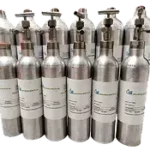
Overview
Hydrogen sulphide is one of the most encountered — and most dangerous — toxic gases in industrial work. It appears in oil and gas operations, sewers and wastewater systems, pulp mills, marine vessel tanks, and anywhere organic material decomposes in a low-oxygen environment. It is acutely toxic at surprisingly low concentrations: the IDLH (Immediately Dangerous to Life or Health) is just 50 ppm, and at concentrations above 100 ppm it rapidly causes olfactory fatigue — meaning the warning smell disappears even as the concentration continues to rise. For workers entering confined spaces, maintaining wastewater infrastructure, or operating in oil and gas process areas, an H2S detector that has not been calibrated against certified reference gas is not a safety instrument. It is a false sense of security.
The H2S Hydrogen Sulphide 25/50 ppm Balance Air/N2 Calibration Gas is a precision-formulated span gas for the calibration of electrochemical hydrogen sulphide gas detectors at two operationally critical concentration levels. The 25 ppm concentration is widely used for TWA-threshold and STEL-referenced detector calibration in oil and gas, confined space entry, and wastewater programmes. The 50 ppm concentration — at exactly the IDLH threshold — is suited to higher-range detector calibration, bump testing protocols, and applications where the detector’s full-scale response needs to be confirmed. Both concentrations are available with either air or nitrogen (N2) as the balance gas, giving instrument technicians the flexibility to select the carrier matrix most appropriate for their detector type and calibration procedure.
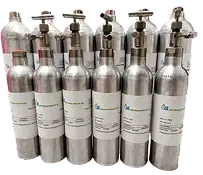
Supplied by Alright Engineering Solutions as part of their span gas and regulator range, this calibration gas is available in C10 aluminium cylinders from 34 litres to 116 litres. For HSE managers, gas testers, and procurement teams in the oil and gas, marine, wastewater, and mining sectors, this product provides the certified H2S reference gas that keeps your detector calibration programme reliable, documented, and fit for purpose.
Key Features
Two Calibration Concentrations — 25 ppm and 50 ppm
The 25 ppm concentration is the most commonly specified H2S span gas concentration for confined space entry detector calibration and oil and gas field instrument maintenance. It sits midway between hydrogen sulphide’s typical low-level alarm setpoints (1–5 ppm TWA) and the IDLH threshold — confirming sensor response across the operationally relevant detection range without exposing the sensor to concentrations that could accelerate electrochemical sensor degradation over repeated calibration cycles. The 50 ppm concentration corresponds to hydrogen sulphide’s IDLH value and is used where detector calibration procedures require span confirmation at the IDLH threshold, for bump testing protocols specifying higher-concentration challenge gas, and for detectors configured for higher-range process area monitoring in oil and gas and wastewater applications.
Choice of Balance Gas — Air or Nitrogen (N2)
This product is available with either air or nitrogen as the balance gas — a flexibility that matters for specific detector types and calibration applications. Air-balance H2S span gas is preferred for catalytic bead sensor types that require oxygen to function, and for calibration procedures where the atmospheric matrix should match real-world deployment conditions as closely as possible. Nitrogen-balance H2S span gas eliminates oxygen from the calibration gas stream — reducing cross-sensitivity effects on electrochemical sensors that may respond to oxygen concentration variations, and providing a cleaner reference for sensors deployed in oxygen-deficient environments such as vessel tanks, enclosed process spaces, and some mining applications. Selecting the correct balance gas for your detector type ensures the calibration result accurately represents sensor performance in the environment where it will actually be used.
Multiple Cylinder Sizes — 34L to 116L
Five cylinder sizes are available under the C10 specification: 34L, 58L, 103L, 110L, and 116L. The 34L and 58L options are well suited to portable field calibration kits, individual confined space entry programmes, and vessel maintenance schedules where the cylinder needs to be transported to the detector location. The 103L to 116L sizes are appropriate for fixed calibration stations, large portable detector fleets, and multi-site maintenance programmes where calibration frequency and detector numbers make smaller cylinder formats operationally inefficient. For oil and gas operators calibrating large numbers of H2S personal monitors on a daily or weekly schedule, the larger cylinder formats deliver a meaningful reduction in cost per calibration event.
Certified H2S Concentration — Traceable Reference Accuracy
Hydrogen sulphide span gas for safety-critical calibration must carry a certified concentration with traceability documentation to national or international measurement standards. The 25 ppm or 50 ppm certified concentration of this span gas provides the traceable reference required for calibration records under ISO 9001 quality management systems, ISO 45001 occupational health and safety management standards, and the specific gas detector calibration requirements referenced in confined space entry procedures, permit-to-work systems, and oil and gas operating procedures subject to regulatory or client audit.
Aluminium Cylinder — Lightweight and H2S-Compatible
Hydrogen sulphide can react with moisture and certain metals to form iron sulphide deposits inside steel cylinders — potentially contaminating the gas and altering the certified concentration over the cylinder’s service life. Aluminium cylinders provide better chemical compatibility for H2S calibration gas storage at ppm concentration levels, preserving concentration stability from first use to cylinder end-of-life. The weight advantage of aluminium over steel is a practical benefit for gas testers and instrument technicians carrying calibration equipment to offshore platforms, vessel tanks, confined space entry points, sewer access locations, and remote oil and gas field sites.
Compatible with Leading H2S Detector Calibration Equipment
The cylinder valve configuration is compatible with standard calibration gas regulators and detector-specific calibration adapters for H2S-capable portable and fixed gas detector models from leading manufacturers including MSA, Industrial Scientific, Honeywell BW, Dräger, GMI, and others. As with all reactive toxic gas calibration, confirming regulator and tubing material compatibility for H2S service before use is recommended — Alright Engineering Solutions can advise on appropriate regulator and tubing specifications for your specific detector models and calibration procedure.
Technical Specifications
Product: H2S Hydrogen Sulphide Balance Air/N2 Calibration Gas
Gas Component: Hydrogen Sulphide (H₂S)
Available Concentrations: 25 ppm / 50 ppm
Balance Gas: Air or Nitrogen (N2) — specify at time of order
Cylinder Specification: C10
Available Cylinder Sizes: 34L / 58L / 103L / 110L / 116L
Cylinder Material: Aluminium
Product Category: Span Gas and Regulator
Supplied By: Alright Engineering Solutions Pte. Ltd.
Benefits
Confirm sensor response before every confined space entry or high-risk task. Electrochemical H2S sensors are well-known for their susceptibility to poisoning by heavy metals, silicones, and strong oxidising agents — and for gradual sensitivity loss through normal use in H2S-contaminated environments. A poisoned or degraded sensor may pass a self-test and display zero in clean air, while failing to alarm correctly when it encounters actual H2S. Bump testing and span calibration with certified 25 ppm or 50 ppm H2S span gas before high-risk entries is the standard method for confirming sensor functionality — and the only method that gives workers genuine confidence that their detector will alarm when the gas is actually present.
Meet permit-to-work and confined space entry calibration requirements. Confined space entry permit systems in oil and gas, marine, utilities, and construction typically specify that gas detectors must be bump tested or calibrated against certified reference gas before each entry or on a defined interval. H2S is invariably one of the gases required to be checked, given its prevalence in confined space environments. Calibration records documenting the use of certified 25 ppm or 50 ppm H2S span gas provide the documentation required to demonstrate compliance with permit-to-work gas testing requirements and confined space entry procedures subject to regulatory or client HSE audit.
Select the balance gas that matches your detector type and deployment environment. Using air-balance span gas on a detector deployed in an oxygen-deficient environment, or nitrogen-balance gas on a catalytic bead sensor type, can introduce calibration errors that affect sensor response in real conditions. The availability of both air-balance and N2-balance options allows you to select the calibration gas matrix that is technically correct for your specific detector model and deployment environment — producing a calibration result that represents actual sensor performance rather than a laboratory-condition approximation.
Reduce per-calibration cost for high-frequency H2S monitoring programmes. In operations where H2S detectors are bump tested daily before confined space entries — such as offshore platforms, refineries, and sewage treatment works — the volume of calibration gas consumed is substantial. The 103L to 116L cylinder options deliver a significantly lower cost per bump test or calibration event compared to small aerosol canisters, reducing the ongoing consumable cost of a high-frequency H2S detector maintenance programme without compromising calibration quality.
Prompt local supply from a Singapore-based specialist. Alright Engineering Solutions maintains H2S span gas stock locally across both concentrations and both balance gas options in multiple cylinder sizes — providing prompt supply for scheduled maintenance programmes, vessel pre-departure calibration requirements, and urgent cylinder replacement without the lead time uncertainty of importing reactive toxic calibration gas from overseas.
Who It’s For
The Gas Tester or Safety Officer on an Offshore Platform or Refinery
You’re responsible for calibrating and bump testing H2S personal monitors and area monitors before confined space entries, hot work permits, and process area inspections. Your platform or refinery operates under a permit-to-work system that requires documented gas detector calibration before high-risk entries, and your maintenance procedure specifies certified H2S span gas at 25 ppm for routine bump testing and calibration. You need a reliable local supply of 25 ppm H2S calibration gas in cylinder sizes that support your platform’s calibration station — and you need calibration records that satisfy your operator’s HSE audit requirements and client verification procedures.
The Municipal Works Inspector or Utilities Technician Managing Sewer and Wastewater Access
You manage confined space entry programmes for sewer maintenance, pump station inspection, and wastewater treatment facility maintenance. H2S is a constant hazard in your work environment, and your confined space entry procedure requires that portable gas detectors be bump tested or calibrated against certified H2S reference gas before every entry. You need 25 ppm H2S span gas in portable 34L or 58L cylinder sizes that your technicians can carry to access points across your maintenance area, with reliable local availability to keep your entry programme running without calibration gas supply interruptions.
The HSE Manager or Procurement Officer at a Marine or Offshore Services Company
You source calibration gas for a managed fleet of vessels, offshore support vessels, or a diving and marine services operation where H2S gas detection is a routine safety requirement for tank entry, cargo hold inspection, and diving support operations. You need consistent supply of H2S span gas at 25 ppm and/or 50 ppm, in both air-balance and N2-balance variants to match the different detector models in your fleet, with cylinder sizes suited to vessel storage constraints and the frequency of your calibration programme. Alright Engineering Solutions can provide formal quotations for regular supply arrangements and assist with multi-gas and multi-concentration requirements across your vessel fleet.
Possible Applications
- Oil and gas upstream operations — Daily bump testing and span calibration of H2S personal monitors and area monitors used by field workers at wellheads, gas processing facilities, sour gas pipeline systems, and onshore and offshore production platforms
- Confined space entry programmes — Pre-entry detector calibration for sewer maintenance, pump station inspection, vessel tank entry, underground utility access, and industrial confined space entry procedures across construction, utilities, and process industries
- Marine vessel tank and hold entry — Calibration of portable gas detectors used for cargo tank entry, ballast tank inspection, void space access, and engine room confined space entry on tankers, bulk carriers, and offshore support vessels
- Wastewater treatment and sewage operations — Calibration of H2S detectors used in wet well monitoring, digester area inspection, sludge handling confined spaces, and sewer network maintenance operations at municipal and industrial wastewater treatment facilities
- Petroleum refinery process areas — Span calibration of fixed and portable H2S monitors in hydrodesulphurisation units, amine treatment systems, sour water stripper areas, and crude unit overhead systems where H2S is present as a process gas
- Mining operations — Calibration of H2S detectors used in underground mining environments where hydrogen sulphide can be generated from sulphide ore deposits, stagnant water, or blasting operations in confined ventilation conditions
- Pulp and paper manufacturing — Detector calibration in kraft pulp mill digester areas, evaporator buildings, and chemical recovery areas where H2S and other reduced sulphur compounds are generated as process by-products
- Gas detector rental and service companies — Calibration gas supply for companies providing H2S-configured portable detector rental, pre-rental calibration, and field maintenance services to clients in oil and gas, marine, and utilities industries
Trust and Certifications
Certified Calibration Gas — Traceable Concentration Accuracy
Each cylinder is prepared to a certified H2S concentration — 25 ppm or 50 ppm — with traceability documentation to national or international measurement standards appropriate for safety instrument calibration. For organisations whose gas detector maintenance programme is subject to ISO 9001 or ISO 45001 management system audits, or to client HSE audit of confined space entry and permit-to-work gas testing records, certified span gas with traceable concentration documentation provides the evidence base that distinguishes a compliant calibration programme from one whose reference gas accuracy cannot be independently verified.
Compliance Support for Confined Space Entry and Permit-to-Work Programmes
Hydrogen sulphide occupational exposure limits — ACGIH TLV-TWA of 1 ppm, OSHA PEL of 20 ppm ceiling (50 ppm peak), Singapore WSH framework values — reflect H2S’s acute toxicity and rapid olfactory fatigue characteristics. Confined space entry regulations internationally require that gas detection instruments be tested against known gas concentrations before use in confined space entry procedures. The 25 ppm H2S span gas concentration is the standard bump test and calibration reference used in oil and gas, marine, utilities, and construction confined space entry programmes — providing the certified reference point that makes pre-entry detector verification a meaningful safety check rather than a procedural formality.
Suitable for Calibration of ATEX, IECEx, and MED-Certified H2S Detectors
Portable H2S detectors used in classified hazardous area locations carry ATEX or IECEx certifications for their safe use in explosive atmospheres. Marine-deployed detectors may additionally carry MED (Marine Equipment Directive) type approval for use on vessels operating under SOLAS requirements. Maintaining these instruments in calibration using certified span gas is a condition of continued certified performance. This H2S calibration gas is suitable for calibration of ATEX-certified, IECEx-certified, and MED-approved hydrogen sulphide detection instruments across portable and fixed detector formats.
Supplied by Alright Engineering Solutions — Singapore Gas Detection Specialist
The H2S Hydrogen Sulphide Balance Air/N2 Calibration Gas range is supplied by Alright Engineering Solutions Pte. Ltd., a Singapore-based distributor of portable and fixed gas detection equipment, calibration gases, and safety instrumentation. Alright Engineering Solutions supports oil and gas operators, marine and offshore services companies, municipal utilities, and safety equipment service companies across Singapore and the Southeast Asian region with gas detection equipment supply, span gas sourcing, and technical support for gas detector calibration programmes.
Accessories and Variants
H2S-Compatible Calibration Regulators
Hydrogen sulphide can react with copper alloys and certain elastomeric materials in standard calibration regulators — causing internal corrosion that contaminates the gas stream and degrades regulator performance over time. Regulators for H2S calibration service should be constructed from H2S-compatible materials, with stainless steel or inert-coated wetted parts and H2S-rated seals. Alright Engineering Solutions supplies calibration regulators appropriate for H2S service, with fixed-flow and demand-flow options to suit different detector calibration flow rate requirements.
Stainless Steel or PTFE Calibration Tubing
H2S can adsorb onto standard rubber and PVC calibration tubing — reducing the effective concentration delivered to the detector, particularly at the 25 ppm concentration level where small absolute concentration losses represent a meaningful percentage of the certified value. Stainless steel or PTFE-lined calibration tubing is recommended for H2S span gas delivery to preserve certified concentration through to the detector calibration inlet. This is especially important for multi-detector calibration sessions where cumulative adsorption losses across successive calibrations can produce progressively declining effective calibration concentrations.
Available Concentration and Balance Gas Variants
This product is available in two certified concentrations, each available with either air or nitrogen balance gas:
25 ppm H₂S Balance Air — For confined space entry bump testing, oil and gas field calibration, and wastewater programme detector maintenance where air-balance matches real-world deployment conditions
25 ppm H₂S Balance N2 — For electrochemical sensor calibration in oxygen-deficient environments, vessel tank entry programmes, and applications where nitrogen balance eliminates oxygen cross-sensitivity effects
50 ppm H₂S Balance Air — For IDLH-threshold calibration, high-range bump testing, and process area detector maintenance where confirmation of detector response at the IDLH level is required
50 ppm H₂S Balance N2 — For IDLH-range calibration in oxygen-deficient or inerted environments and applications where nitrogen balance is the technically correct carrier for the deployed sensor type
Related Span Gas Products from Alright Engineering Solutions
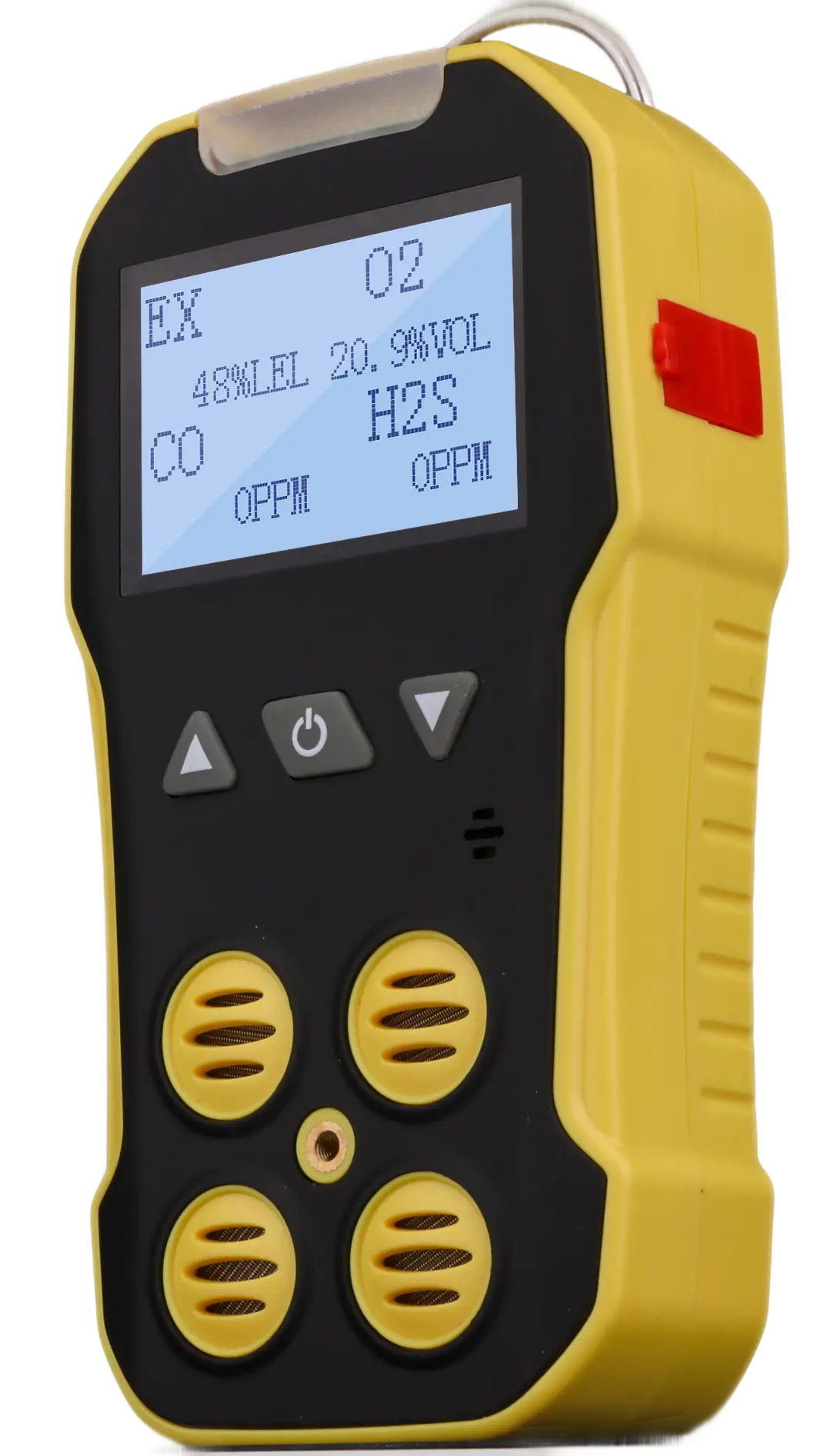
Multi-gas calibration mixtures (H₂S / CO / O₂ / LEL) — Four-gas combination calibration cylinders for simultaneous calibration of H2S, carbon monoxide, oxygen, and combustible gas channels in multi-gas confined space entry detectors
Carbon Monoxide (CO) Balance Air / N2 — CO span gas for confined space entry and combustion monitoring detector calibration
SO₂ Balance N2 — Sulphur dioxide span gas for smelter, refinery, and pulp mill detector calibration programmes
Oxygen (O₂) Balance N2 — Oxygen deficiency and enrichment calibration gas for oxygen sensor verification in confined space entry programmes
Get in Touch
If you need to source H2S Hydrogen Sulphide calibration gas — at 25 ppm or 50 ppm, in air-balance or N2-balance — for your confined space entry programme, offshore platform calibration schedule, vessel fleet maintenance, or multi-site H2S monitoring programme, contact Alright Engineering Solutions to confirm concentration, balance gas option, and cylinder size availability, and request a formal quotation.
Our team can also assist with multi-gas calibration mixture sourcing, H2S-compatible regulator and tubing selection, and hydrogen sulphide gas detection equipment supply for your facility or fleet safety requirements.
📍 3791 Jalan Bukit Merah #06-01, E-Centre @ Redhill, Singapore 159471