Cart (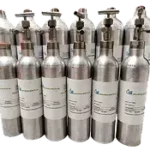
Overview
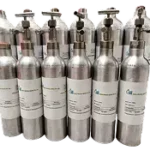
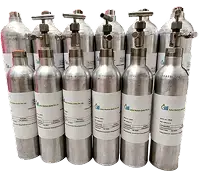
When a portable four-gas monitor is the last line of defence before a worker enters a potentially hazardous atmosphere, the calibration behind that instrument is not a background administrative task — it is a safety-critical verification step. A detector that has not been bump tested with the correct certified span gas before use cannot be confirmed to alarm at the right concentrations. And a calibration performed with the wrong gas mixture — wrong combustible reference, wrong CO concentration, wrong oxygen level — produces a calibration record that does not accurately reflect actual sensor performance. The 4-MIX span gas cylinder — CO 100ppm, H2S 25ppm, CH4 2.5% / 50% LEL, O2 18%, Balance Nitrogen is the standard four-gas calibration mixture for the majority of Methane-calibrated portable multi-gas detectors used across the oil and gas, industrial, marine, and confined space entry sectors.
Available in cylinder sizes from 34 litres to 116 litres, this mixture is the most widely used four-gas span gas formulation in the industry. CO at 100ppm, H2S at 25ppm, CH4 at 50% LEL, and O2 at 18% vol are the default calibration concentrations specified by the majority of leading portable multi-gas detector manufacturers — including MSA, Honeywell BW, Industrial Scientific, Draeger, and Riken Keiki — for their standard four-gas instruments calibrated to Methane. If your team is running a Methane-calibrated four-gas detector fleet and you are unsure which span gas mixture to use, this is almost certainly the correct one.
What makes this the reference standard for four-gas calibration programmes is the specific combination of concentrations and the Methane LEL reference. The CO 100ppm calibration point verifies sensor response at a concentration above common regulatory STEL limits, the H2S 25ppm point sits above the OSHA ceiling limit, CH4 at 50% LEL provides a mid-range combustible gas verification, and O2 at 18% vol confirms the oxygen sensor alarms correctly just below the 19.5% oxygen-deficient atmosphere threshold. Together, these four concentrations cover the full sensor verification requirement of a standard four-gas monitor bump test and calibration in a single cylinder connection.
Key Features
Methane (CH4) at 2.5% / 50% LEL — Standard Combustible Gas Calibration Reference
Methane is the default calibration reference for the catalytic bead LEL sensor in the majority of portable four-gas monitors globally. At 2.5% by volume — 50% of Methane’s lower explosive limit — this concentration verifies sensor linearity and confirms alarm response at the mid-range of the combustible gas detection scale. The 50% LEL calibration point is the manufacturer-recommended standard because it provides a calibration result that is representative of the sensor’s full operational detection range without over-ranging the sensor or working at the low end where measurement uncertainty is higher. For teams running Methane-calibrated instruments, CH4 span gas is the only correct LEL calibration reference — substituting Pentane or Iso-Butane produces a calibration result that does not match the factory reference.
CO at 100ppm — Wide-Range Carbon Monoxide Sensor Verification
Carbon monoxide at 100ppm is the standard calibration concentration for CO sensors in the majority of portable four-gas monitors. It sits above common TWA limits (25–35ppm), above STEL limits (200ppm varies by standard), and well above the typical CO alarm thresholds of 35ppm and 100ppm used in most instruments, verifying sensor response across a meaningful portion of the detection range in a single calibration point. For environments with CO risk from combustion equipment, engine exhaust, or industrial processes, a 100ppm calibration confirms that the sensor has not drifted to the point where it would miss an alarm in the operationally critical mid-range concentration zone.
H2S at 25ppm — Hydrogen Sulphide Alarm Threshold Verification
Hydrogen sulphide at 25ppm is the industry-standard H2S calibration concentration across portable gas detection. The OSHA H2S ceiling limit is 20ppm — a concentration that must not be exceeded even momentarily — so a 25ppm calibration point sits just above that threshold and confirms the sensor will respond and alarm at concentrations that exceed the regulatory ceiling. For confined space entry, oil and gas production, marine cargo operations, and wastewater work where H2S exposure can occur suddenly and at concentrations that incapacitate a worker within seconds at higher levels, verifying the H2S sensor before every entry is a non-negotiable safety procedure.
O2 at 18% Vol — Oxygen Deficiency Alarm Threshold Verification
Oxygen at 18% vol sits below the OSHA oxygen-deficient atmosphere threshold of 19.5% and is the standard calibration point for O2 sensor verification in most four-gas span gas formulations. Calibrating at 18% confirms the oxygen sensor triggers its low-oxygen alarm correctly at a concentration below the action level threshold — which is the primary verification requirement for confined space entry oxygen monitoring. For most standard industrial and marine confined space applications, the 18% O2 calibration point provides the correct sensor verification for the oxygen hazard scenarios workers are likely to encounter.
Balance Nitrogen — Inert, Non-Reactive Carrier Gas
Nitrogen is the standard balance gas for calibration mixtures because it is chemically inert and does not react with any of the four active components. This preserves concentration accuracy throughout the cylinder’s shelf life and prevents any cross-sensitivity interference between gas components during the calibration event. Nitrogen balance also means the cylinder contents are non-flammable at supply concentrations, keeping storage and transport safe under standard compressed gas handling procedures.
Five Cylinder Size Options — 34L to 116L
Available in 34L, 58L, 103L, 110L, and 116 litre cylinder sizes to match the calibration gas volume requirement of any detector fleet and bump testing programme. Smaller cylinders suit vessels, remote field teams, or worksites with a limited number of instruments and infrequent calibration requirements. Larger cylinders provide a lower cost per calibration event and longer intervals between cylinder replacements for high-frequency daily bump testing programmes across large instrument fleets.
Technical Specifications
Product Type: Four-Gas Certified Calibration Span Gas Mixture
Cylinder Sizes (C10): 34L / 58L / 103L / 110L / 116 Litres
Carbon Monoxide (CO): 100 ppm
Hydrogen Sulphide (H2S): 25 ppm
Methane (CH4): 2.5% Vol / 50% LEL
Oxygen (O2): 18% Vol
Balance Gas: Nitrogen (N2)
Benefits
The correct span gas for the majority of standard Methane-calibrated four-gas detector models. This mixture matches the default calibration gas specification published by most leading portable multi-gas detector manufacturers for their standard four-gas instruments. For safety managers and procurement teams who need to confirm they are ordering the right calibration gas for their fleet, this is the industry-standard formulation for CH4-calibrated instruments — not a specialist mixture requiring additional verification against instrument documentation.
All four sensors verified in a single calibration connection. LEL, H2S, CO, and O2 sensors are all bump tested simultaneously, reducing calibration time and the procedural overhead of managing four separate single-gas cylinders. For operations where multiple detectors need to be calibrated before a shift or prior to confined space entry, a four-gas cylinder significantly reduces the time each instrument is out of service during the calibration process.
Calibration documentation meets regulatory and audit standards. Bump test and calibration records referencing a certified four-gas span gas cylinder — with the mixture specification, cylinder lot number, and certificate of analysis — provide the traceability required for OSHA confined space programme records, ISM Code safety management system documentation, and oil and gas operator HSE audit requirements. This is the calibration gas standard that safety auditors and inspectors expect to see referenced in instrument maintenance records.
Reduces the risk of using the wrong calibration gas for the instrument fleet. For procurement teams managing span gas supply across a large detector fleet, the CO 100ppm / H2S 25ppm / CH4 50% LEL / O2 18% formulation is the safest default specification to order for a Methane-calibrated multi-gas detector fleet — it is the concentration set that the majority of detector manufacturers have validated against their instruments and that field calibration technicians recognise as the correct reference.
Flexible cylinder sizing controls calibration gas cost at any operational scale. Matching the cylinder size to the detector fleet count and bump testing frequency avoids mid-programme gas shortages and overpurchasing. The five available sizes give procurement teams a practical range for managing calibration gas inventory across operations of any size.
Who It’s For
The HSE Officer Managing a Standard Industrial Confined Space Entry Programme
Your site’s permit-to-work system requires a detector bump test before every confined space entry, and your instruments are standard Methane-calibrated four-gas monitors from a major manufacturer. You need a reliable, correctly specified calibration gas supply, with certified documentation to support your safety management system records. This cylinder is the default four-gas span gas specification for your instruments — the one your detector manufacturer recommends and the one your safety auditors will expect to see in your calibration records.
The Safety Coordinator on an Offshore Platform or Vessel
Your operation runs multiple portable four-gas detectors across a workforce conducting confined space entries, hot work, and routine atmospheric monitoring in areas with CH4, H2S, CO, and oxygen depletion risk. Calibration gas supply needs to be correctly specified for your detector fleet, reliably available in cylinder sizes suited to your storage capacity, and backed by certified documentation for your vessel or platform safety management system records. This is the standard four-gas calibration mixture for Methane-calibrated instruments — the correct specification for the majority of portable multi-gas monitors used in marine and offshore operations.
The Procurement Manager Sourcing Calibration Gas for a Multi-Site Detector Fleet
You are responsible for sourcing calibration gas across multiple sites, each running Methane-calibrated portable four-gas monitors. You need to standardise the calibration gas specification across the fleet — one mixture that works correctly for all instruments, at concentrations that meet manufacturer specifications, in cylinder sizes that match each site’s detector count and bump testing frequency. The CO 100ppm / H2S 25ppm / CH4 50% LEL / O2 18% mixture is the standard specification to standardise on for a Methane-calibrated fleet, and the five cylinder sizes available allow you to match volume to site-level requirements.
Possible Applications
- Industrial confined space entry programmes — Bump testing and calibration of standard four-gas monitors before entry into tanks, vessels, sewers, manholes, utility vaults, and enclosed process equipment across manufacturing, utilities, and infrastructure sectors
- Oil and gas upstream production operations — Calibration of portable four-gas monitors used by field workers on production sites where CH4, H2S, CO, and oxygen depletion are simultaneous atmospheric hazards
- Natural gas distribution and pipeline maintenance — Bump testing of Methane-calibrated four-gas monitors used by technicians working on gas mains, service connections, and metering infrastructure
- Marine enclosed space and cargo tank entry — Pre-entry detector calibration on vessels across all vessel types where confined space entry into engine rooms, tanks, void spaces, and pump rooms is a routine maintenance and operational task
- Offshore platform confined space and hot work programmes — Calibration gas supply for portable four-gas monitors used during permit-to-work execution on drilling and production platforms
- Petrochemical plant and refinery confined space entry — Standard four-gas calibration for permit-to-work teams entering process vessels, reactors, columns, and storage tanks in refinery and chemical plant environments
- Wastewater treatment and sewage system maintenance — Bump testing of multi-gas monitors used by utility workers entering pump stations, sewers, and treatment plant confined spaces where H2S, CO, CH4, and oxygen depletion are concurrent hazards
- Construction and tunnelling confined space work — Calibration of four-gas monitors for workers in enclosed underground environments where ground gas methane, diesel exhaust CO, and oxygen displacement are simultaneous hazards
Trust and Certifications
Certified Calibration Gas Mixture with Certificate of Analysis
Calibration gas cylinders used for instrument bump testing and calibration should be supplied with a certificate of analysis (CoA) confirming the actual measured concentration of each component, the cylinder preparation date, the lot number, and the certified shelf life. The CoA provides the traceability required to verify that calibration was performed with a gas mixture meeting the stated concentration specification. For operations where calibration records are reviewed during OSHA inspections, ISM Code audits, class surveys, or oil and gas operator HSE assessments, a certified calibration gas mixture with documented traceability is the expected standard.
Concentration Alignment with Major Detector Manufacturer Calibration Specifications
The concentrations in this mixture — CO 100ppm, H2S 25ppm, CH4 2.5% / 50% LEL, O2 18% — are the default calibration gas specifications published by the majority of leading portable multi-gas detector manufacturers, including MSA, Honeywell BW, Industrial Scientific, Draeger, and Riken Keiki, for their standard Methane-calibrated four-gas instruments. Using the manufacturer-specified calibration concentrations ensures calibration results are valid under the instrument’s design specification and supports warranty compliance where calibration documentation is a requirement.
Supplied by Alright Engineering Solutions
This span gas cylinder is supplied by Alright Engineering Solutions Pte. Ltd., a Singapore-based distributor of portable and fixed gas detection equipment, certified calibration gas mixtures, regulators, and industrial safety instrumentation. Alright Engineering Solutions serves the marine, oil and gas, petrochemical, utilities, and industrial safety sectors across Singapore and the regional market, providing span gas supply, instrument sales, calibration accessories, and technical support for gas detection and confined space safety programmes.
Accessories and Variants
Demand-Flow Regulator
A demand-flow regulator connects the span gas cylinder to the detector’s calibration inlet and delivers gas only when the instrument’s internal pump is actively drawing — preventing gas waste during bump testing and calibration and ensuring accurate sensor exposure at the correct flow rate. Alright Engineering Solutions can confirm the correct regulator specification for your cylinder valve type and instrument model.
Fixed-Flow Regulator
Fixed-flow regulators deliver calibration gas at a constant specified flow rate for detector models that require fixed-flow gas input during calibration. Available in multiple flow rate specifications to match different instrument calibration inlet requirements.
Calibration Tubing and Instrument-Specific Adapters
Silicone or PTFE calibration tubing and instrument-specific calibration cup adapters ensure a sealed, leak-free connection between the regulator output and the detector’s sensor inlet — preventing ambient air dilution of the calibration gas before it reaches the sensor and ensuring an accurate, repeatable calibration result.
Available Cylinder Size Variants
34 Litre (C10) — Compact cylinder for small teams, vessel use, or low-frequency calibration requirements
58 Litre (C10) — Mid-range option balancing portability and calibration capacity
103 Litre (C10) — Higher capacity for medium-sized detector fleets with regular bump testing programmes
110 Litre (C10) — Extended capacity for high-frequency daily calibration operations
116 Litre (C10) — Largest available size for high-volume calibration programmes and fleet-scale daily bump testing
Get in Touch
If you need to source the 4-MIX span gas cylinder — CO 100ppm, H2S 25ppm, CH4 2.5% / 50% LEL, O2 18%, Balance N2 — for your gas detection calibration programme, contact Alright Engineering Solutions to confirm cylinder size availability and request a formal quote.
Our team can also advise on compatible regulators, calibration accessories, and portable gas detection instruments to match your detector fleet and calibration programme requirements.
📍 3791 Jalan Bukit Merah #06-01, E-Centre @ Redhill, Singapore 159471